

Bestow CEO explains how insurtechs must differentiate in age of AI
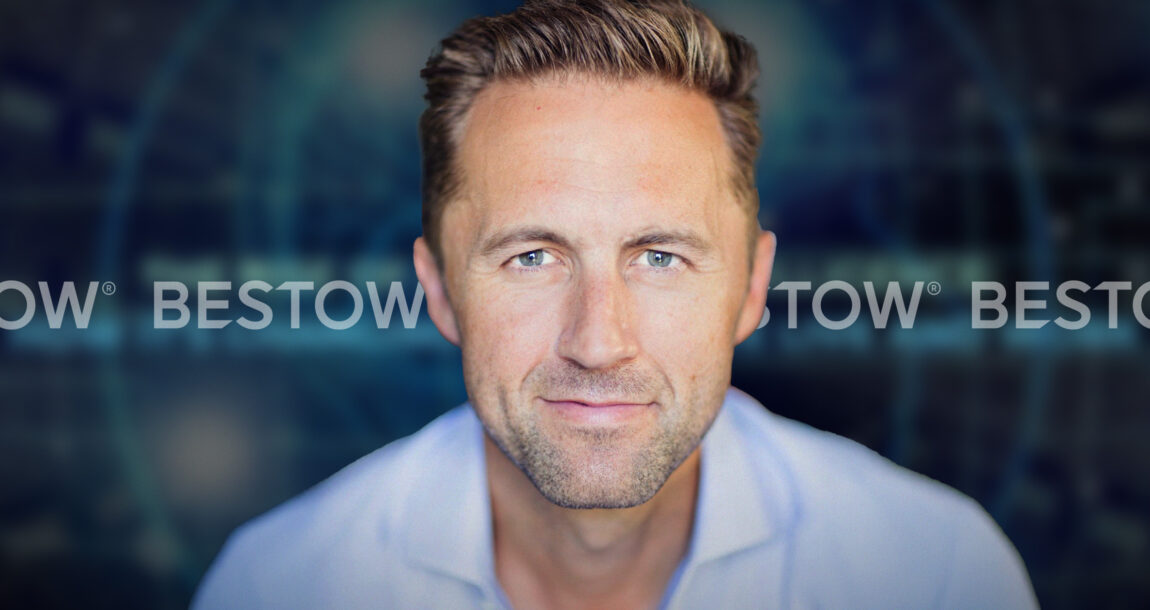
In an environment where technology and AI have begun proliferating even traditional insurance practices, insurtechs must find other ways to differentiate themselves and adapt, Melbourne O'Banion, CEO and co-founder, Bestow Inc., said.
Bestow is one of the more recognizable names in the American insurance landscape, with CNBC naming it as one of the world’s leading insurtech companies of 2024.
“Well, I would say that if an insurtech’s business model is completely dependent on an AI tool or software that a competitor can easily pick up and utilize, then the insurtech probably doesn’t have a highly durable and sustainable business model. I think that is a risk, depending on the insurtech’s business model, that they have to consider,” O'Banion said in an interview with InsuranceNewsNet.
He suggested insurtechs find innovative ways to pivot their core business model to keep up with the rapid pace of advancement, such as creating specialized solutions and augmenting the technological advancements they have already been leveraging up until this point.
“Because AI has entered into the picture, it almost now overemphasizes the need for a company to bring something to market that is differentiated and that allows for them to do something unique wherever they’re competing in. And then AI, I think, is just going to magnify whatever that is,” O'Banion said.
What AI’s proliferation means for insurtechs
O’Banion acknowledged that technology becoming more widespread across the insurance industry raises questions about where that leaves insurtech, which was already undergoing a shift in its “second wave.”

“When the wave of insurtech investments started happening, AI really wasn’t much of anything that people were discussing. In an era of AI and with a lot of the advancements and tools that are coming about, where does insurtech stand?” he said.
It could be a good time for insurtechs to rethink their core business model, ensuring it is sustainable and can withstand the rapid pace of technological advancement in today’s age.
“The speed and pace of change and transformation, just in the broader software and technology industry, is accelerating at a pace that I think is very hard for everybody to keep up with AI. So, I think you have to have a core business model, as an insurtech, that you can defend and that you’re building something sustainable over the long term,” O’Banion said.
Use AI to build on strengths
It may be advantageous for insurtechs to pivot their strategy and capture AI as a tool to augment their business model rather than necessarily thwart or highly disrupt it, O’Banion suggested.
“I think what insurtechs need to do, and what we did at Bestow is we built and proved out our solution and platform and ultimately decided how to best monetize it. Our view was enabling our carrier clients to leverage all that we had built was a much better way for us to monetize the platform and enable them to get all the benefits from it, and partner with them rather than necessarily compete with them,” he said.
Illustrating his point, he noted that Bestow began as an early adopter of AI for the consumer side. Now, it has sold its life insurance subsidiary and focuses more on deploying its proven solutions, software and platform to carriers.
“I don’t think it’s really replacing a business model or in any way saying that the insurtech was doing one thing and now it has to do something else. It’s how are you leveraging AI to further your mission and advance the ball down the field of what you’re already trying to pursue and achieve,” O’Banion said.
Specialize and customize
Specialization and customization are emerging trends among insurance companies now seeking to differentiate themselves, O’Banion noted. He said insurtechs can leverage this, starting with a problem and then building out specific solutions to that.
“I think the insurance industry is heading into an increased era of specialization,” he said. “The advice to give to insurance companies looking to adopt AI or even insurtechs is to start with a problem; there’s a very broad canvas with which companies can utilize AI.”
For instance, O’Banion said Bestow’s strategy has been to identify a specific problem and then determine what investments will be put into helping solve it while adopting AI and partnering with aligned carriers.
Augment, not compete
O’Banion noted that the insurtech industry’s flexibility can help it stay ahead of the rapid pace of AI development, urging a focus on augmenting what is already being done with utility and usage of AI tools.
“In a regulated industry like insurance, you have to navigate the complexity of utilizing AI tools in a regulatory space. We like to think of it as not replacement, but augmentation… Whether it’s developing software, leveraging AI tools and solutions to develop better software or developing AI solutions that your partners can leverage and utilize, which is what we’re doing (Bestow),” he said.
Founded in 2016, Bestow started out as a digital life insurance company. It has recently evolved to focus on providing digital solutions to American insurers. Bestow is headquartered in Dallas, Texas.
© Entire contents copyright 2025 by InsuranceNewsNet.com Inc. All rights reserved. No part of this article may be reprinted without the expressed written consent from InsuranceNewsNet.com.



Lithium batteries and natural disasters: A dangerous combination
When an IUL might be a sensible alternative to an FIA
Advisor News
- Addressing the longevity paradox
- Employers shift focus from retirement access to financial outcomes
- Helping widowed clients navigate their new financial reality
- Navigating client communication in a digital age
- Can your advisory firm survive without you?
More Advisor NewsAnnuity News
- Farm Bureau P&C insurers post first underwriting gain since 2021
- Legacy Marketing, Malibu Life launch two fixed indexed annuities
- Changing client priorities are reshaping annuity conversations
- Solen Software acquires annuity software provider Cooperative Technologies
- MassMutual Expands Lending Options With New Secured Credit Line
More Annuity NewsHealth/Employee Benefits News
- Here’s what Gov. Moore and Dan Cox promised Marylanders with disabilities
- AmeriHealth Caritas to join Ohio Health Insurance Marketplace in 2027
- Legislators hear report on thin hospital margins, advance prior authorization reform
- As Children’s Mercy is dropped by ACA Marketplace, MO insurance group makes statement
- 87,000 Iowans face Medicare plan cancellations
More Health/Employee Benefits NewsLife Insurance News