

Lithium batteries and natural disasters: A dangerous combination
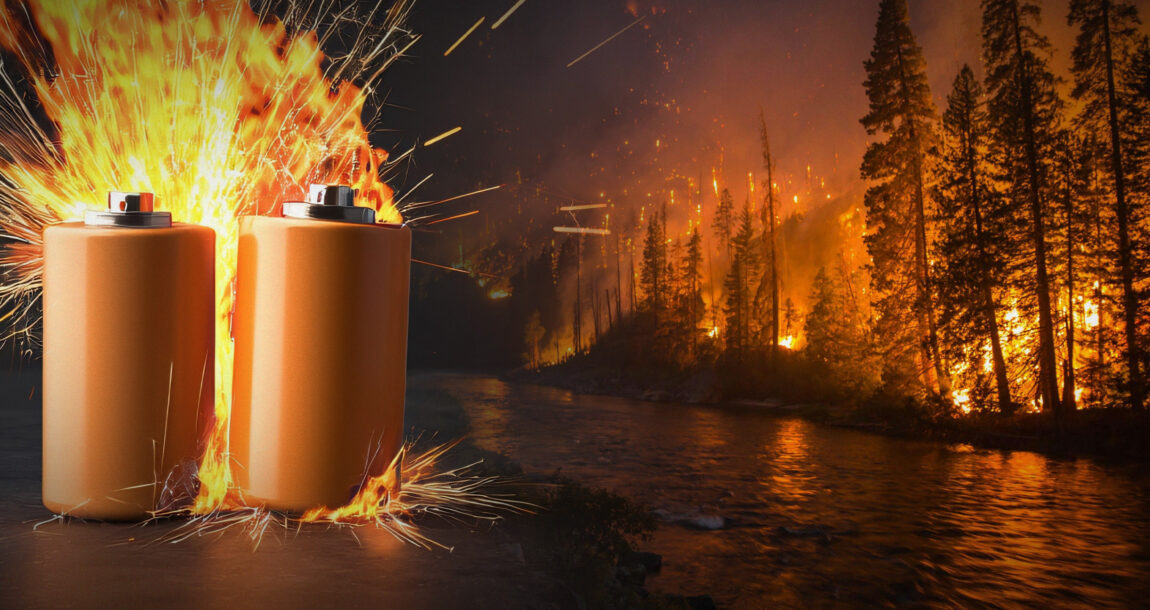
As the world braces for major weather events to increase in both intensity and frequency, insurers must take stock of the significant ramifications of lithium-ion batteries’ rising prevalence in homes across the country.

Lithium batteries, which are used in a variety of products ranging from electric and hybrid vehicles to e-bikes and electrical energy storage systems, have been at the root of a headline-grabbing rash of fires in recent years. These fires are particularly dangerous due to a phenomenon known as thermal runaway, a rapid, uncontrolled increase in temperature that makes these fires notoriously difficult to extinguish. Adding to the danger are the toxic fumes these fires emit.
Despite this, the use of lithium-ion batteries is only expected to grow, with McKinsey projecting that demand for them will increase 30% annually until 2030. As more lithium batteries make their way into commercial and residential properties, those facilities become even more vulnerable.
Insurance for electric vehicles already costs between 18% and 30% more than insurance for traditional, gas-powered vehicles. This is because electric vehicles, their parts, repairs and claims payouts are generally higher. In areas prone to natural disasters, the harm the damaged batteries can inflict could further inflate the risks, and commensurate costs, for insurers and property owners alike.
Florida State Fire Marshal Jimmy Patronis noted that there were 48 lithium battery fires related to the storm surge from Hurricane Helene in September. Local officials warned electric vehicle owners to move their cars to higher ground, as the corrosive saltwater can cause submerged lithium batteries to short circuit and burst into flames, but heeding such warnings can be easier said than done. Instead, what had been expected to be a case of flood damage can turn into a conflagration that takes down a building.
Both floods and fires can cause these batteries to ignite or explode. As devastating wildfires raged in California, firefighters observed that lithium batteries burned for much longer and have been significantly more difficult to extinguish than typical fires from wood, paper or other combustible materials.

Not only are these lithium batteries adding fuel to the flames and hindering cleanup and recovery efforts, but these blazes also have significant environmental consequences due to the presence of heavy metals like lithium and cobalt, which can emit toxic fumes or leach into the environment.
Adding to the danger is the fact that these batteries can reignite days, weeks or even months after the initial fire. After the fires are extinguished, lithium batteries require specialized removal.
Both insurers and policyholders should be aware of this extra liability and reexamine their policies with this in mind. The presence of lithium batteries can turn an event that damages a home or a building into one that destroys it. Traditional risk models for insurance coverage may not fully incorporate the risks lithium batteries pose in disaster-prone areas. Insurance providers may consider requiring stricter safety standards and proof of compliance (UL listed batteries only) to be owned and used. This will discourage consumers from patronizing the off-market manufacturers of the problematic products.
The presence of lithium batteries, whether in cars or in energy storage units, may also affect home insurance costs, as electric vehicle owners may have to take extra steps to weatherproof their homes to prevent the batteries from igniting and destroying the house as a result of flooding. Moving electric vehicles to higher ground during hurricanes as Florida officials recommended will not always be a feasible solution.
These are still relatively new products, and insurers, firefighters and average citizens alike are still learning how to deal with them. These fires are resistant to many of the long-standing firefighting methods first responders would typically deploy, particularly as they cannot be extinguished with water. New products, including specialized blankets and the chemical F-500 EA, can extinguish these fires, but fire departments and municipalities are still catching up with the need to have these materials on hand. Most homeowners and consumers are unaware of and do not own the products that can extinguish such fires.
As these devices become more commonplace, it is vital that the public learns how to properly care for them and that insurers continue to evolve their policies in a changing world.
More frequent natural disasters coupled with the arrival of new technology, pose unique challenges, and both insurers and policyholders must be prepared to adapt.
© Entire contents copyright 2025 by InsuranceNewsNet.com Inc. All rights reserved. No part of this article may be reprinted without the expressed written consent from InsuranceNewsNet.com.


Indexed life insurance leads the way with strong 2024 sales, Wink finds
Bestow CEO explains how insurtechs must differentiate in age of AI
Advisor News
- Could a narrower focus help grow your practice?
- U.S. debt hits $40 trillion: how to support concerned clients
- Flourish brings private-bank-like cash solution to MassMutual’s network
- Majority of Americans concerned recent market highs are unsustainable
- GLP-1 users choose between medication and retirement saving
More Advisor NewsAnnuity News
- MassMutual Expands Lending Options With New Secured Credit Line
- Corebridge Financial Introduces Progressive Trigger, a First-of-Its-Kind Index Annuity Strategy Designed to Turn Missed Years into Future Opportunity
- Insurer proposes $1.1M deal to resolve CA teachers’ annuity fee lawsuit
- IMOs get frustrated with slow carrier adoption of faster technology
- New class-action lawsuit targets Delaware Life over annuity disclosures
More Annuity NewsHealth/Employee Benefits News
Life Insurance News