

SEC manual shake-up: What every insurance advisor needs to know now
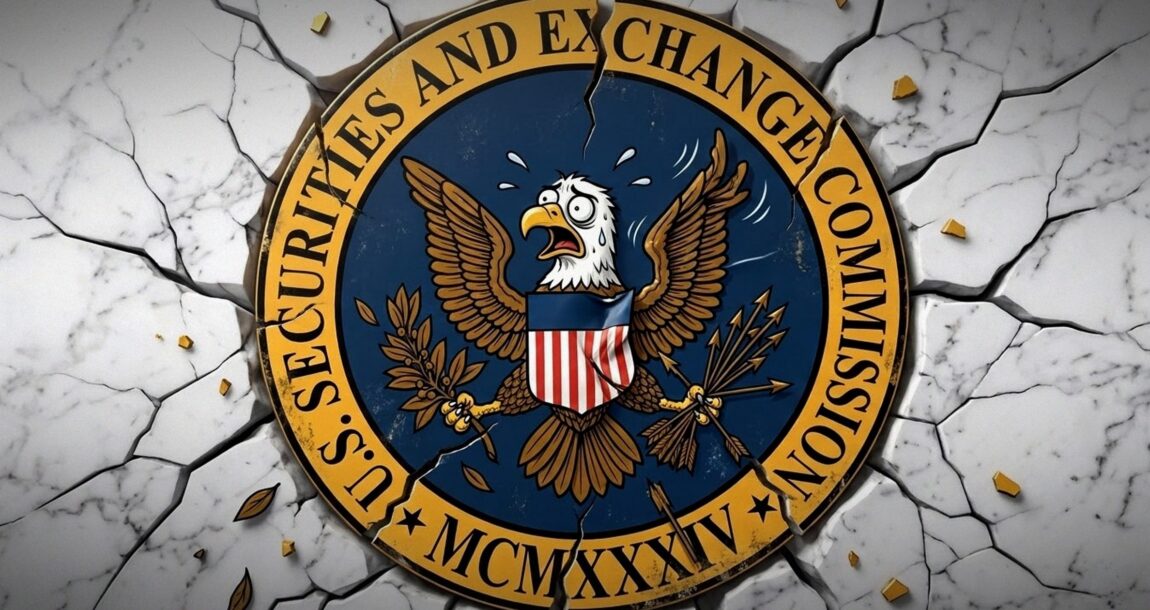
At the end of February, the Securities and Exchange Commission's (SEC) Division of Enforcement announced important updates to its Enforcement Manual.
These changes were ultimately made to improve the consistency and uniformity of investigative practices, the agency said, allowing for a more efficient process.
The manual, which was last updated in 2017, will now be reviewed annually to ensure it aligns with the SEC's mission to protect investors, maintain market integrity, and support capital formation.
According to Rami Sneineh, vice president of Insurance Navy Brokers, updating the Enforcement Manual each year is a major step towards more adaptive and modern government regulation.
“Every day, I see how outdated rules harm the very people they are designed to protect," Sneineh said. "Market inefficiency caused by a slow regulatory system can be a real problem. Bringing uniformity to the Wells process ensures that all advisors receive equal treatment, regardless of which regional office is handling their case.”
The SEC "Wells process" is a formal procedure that allows individuals or entities under investigation by the SEC to present their side of the story before the agency decides whether to file enforcement charges.

How the SEC's updates impact insurance advisors and clients
These updates will primarily affect insurance advisors in how they document and assess the rationale for their client recommendations.
“The SEC’s shift towards a more formalized approach to investigations indicates a stronger focus on written evidence of the advisory decision-making process,” said Joe Braier, president and CEO of Lake Country Advisors.
Advisors who can clearly demonstrate they have documented their clients' objectives, the suitability of the products they recommended, and the transparency in compensation will be better positioned to navigate the evolving regulatory landscape.
On the other hand, advisors whose practices rely on disorganized records and informal rationales may face greater scrutiny.
“The standardized investigative procedures will quickly identify inconsistencies in these practices, making them more transparent in the new enforcement environment,” Braier explained.
These changes not only affect insurance advisors but will also significantly impact the financial customers or clients they serve. As advisors adopt a more transparent, disciplined approach, clients can expect clearer communication and more thorough analysis, the SEC said.
This increased transparency should set them up to make smarter, more strategic decisions and foster a trustworthy, meaningful relationship with their advisors.
Best practices for advisors adapting to these updates
As an insurance advisor, it’s important to view regulatory documentation as an advisory service rather than a compliance hassle, experts say.
For every recommendation, advisors recommend documenting it in writing to help tie together the client’s goals, products chosen, and compensation terms in one document.
“Well-documented records will ultimately produce a narrative, which will support the professional judgment of the advisor in the event of any subsequent inquiry,” Braier said.
Having a well-organized filing system typically resolves regulatory investigations before they turn into formal investigations.
“Based on my years of experience in the field, I've found that proactive compliance is always more cost-effective than dealing with a litigation case," Sneineh said. "It enables you to integrate these standards into the everyday operations of your business, making it more resilient and ultimately more valuable over time."
© Entire contents copyright 2026 by InsuranceNewsNet.com Inc. All rights reserved. No part of this article may be reprinted without the expressed written consent from InsuranceNewsNet.com.



Nearly half of surety bonding professionals worried AI will take their job
The ‘Great Wealth Transfer’ is a workplace opportunity
Advisor News
- CT governor’s candidates claims: What’s true, and what’s misleading
- Retaining clients by giving them a memorable experience
- Addressing the longevity paradox
- Employers shift focus from retirement access to financial outcomes
- Helping widowed clients navigate their new financial reality
More Advisor NewsAnnuity News
- Farm Bureau P&C insurers post first underwriting gain since 2021
- Legacy Marketing, Malibu Life launch two fixed indexed annuities
- Changing client priorities are reshaping annuity conversations
- Solen Software acquires annuity software provider Cooperative Technologies
- MassMutual Expands Lending Options With New Secured Credit Line
More Annuity NewsHealth/Employee Benefits News
- Cost of employer-sponsored health insurance plans rises again, nonpartisan survey finds
- Centene sues feds over low ratings for senior health plans
- Terry Savage: Small business owners, now is the time to offer health insurance coverage
- Aldermen select employee medical insurance broker services provider
- Southwest Bridge Health focusing on insurance coverage gap in Berrien County
More Health/Employee Benefits NewsLife Insurance News