

Growing together: The power of professional study groups

As a financial services professional, I find that having a strong network of like-minded individuals is pertinent to avoid stagnancy and to continue providing quality service. Being a solo financial advisor can often feel isolating, so having trusted peers outside the office not only provides camaraderie, but also challenges us to think differently and grow. Access to large professional associations such as Million Dollar Round Table opens the door for creating those connections, especially through smaller MDRT study groups.
Study groups provide an opportunity to help a large organization feel small, allowing members to establish deep relationships and connections. As I became more involved with MDRT over the years, I had the opportunity to get to know several incredible women. Over time, I observed their personalities, business structures and approaches to client service, and I realized how closely our values and energy were aligned. At that point, I was at a stage in my business where I recognized the importance of having a strong support system, so I was eager to become part of a group of women dedicated to bettering and supporting one another.
It takes time
Building a small village of like-minded professionals isn’t an immediate process — it takes time to develop those connections and determine who you feel most comfortable with. Before I joined the study group, I often found myself expressing how much I admired their deep connections and the accountability and support they had cultivated within their group. At the time, I was part of a co-ed group, but I felt it wasn’t providing the level of support or accountability I needed to truly challenge myself and grow professionally and personally.
Over time, as our trust and friendships grew, the group invited me to join. I knew immediately that an all-female group was the right fit for me. Being surrounded by women who understand the unique challenges and dynamics of being a female financial advisor created a safe space where I could be fully open about my vulnerabilities and struggles — something I might not have felt as comfortable doing in a co-ed environment.
Joining my study group led to deeper, more valuable conversations. Not just about business strategies and growth but also about personal challenges like balancing motherhood, managing family responsibilities, navigating career transitions and facing professional hurdles unique to women in our industry. Finding a group that provides professional accountability alongside deep, personal and emotional support creates a unique environment where trust and openness thrive.

Find the right people
The first step in forming a successful study group is to find the right people. Look for advisors who share similar values, have a growth mindset and are willing to both give and receive honest feedback. It’s less about having identical businesses and more about having diverse perspectives with a shared commitment to accountability.
For example, our group intentionally sought out women at similar stages in their careers but with different areas of expertise. This has allowed us to learn from one another while relating on a personal level. Creating a safe space where members feel comfortable enough to express potential shortcomings and reach out for help will allow each member of the group to feel fulfilled.
Strengthening personal connections
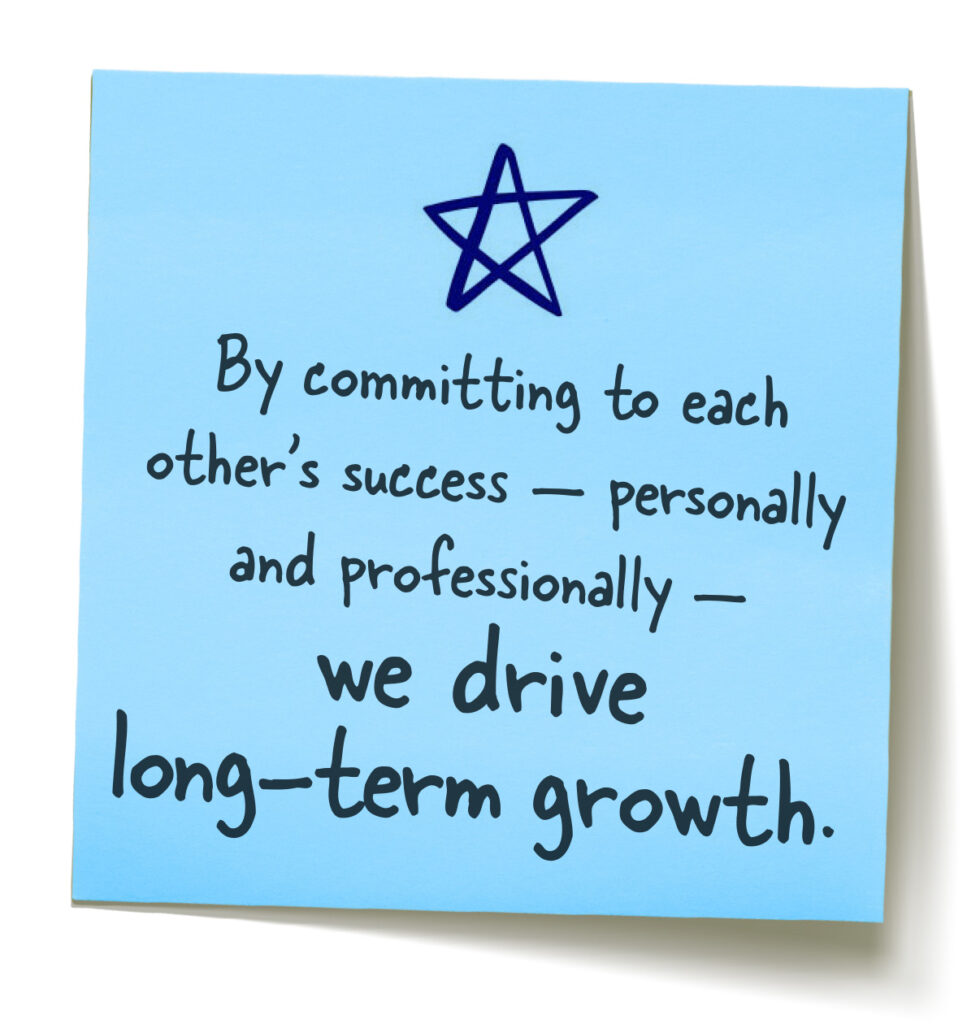
A study group thrives on shared goals and values, creating a mutual benefit for every member. By committing to each other’s success — personally and professionally — we drive long-term growth. In my group, we tackle tough business decisions together, offer honest feedback and celebrate every win, no matter how small. This blend of accountability and encouragement builds deep trust and strong connections. As we grow, we create a safe, supportive space to be vulnerable and navigate the challenges of balancing demanding businesses with personal and family responsibilities.
Study groups don’t have to stop at business development — once those bonds are created, it becomes natural to support each other through various personal challenges and growths. This is where an all-female group really shines, as we all can be vulnerable on very personal items such as marriage, children and divorce, and relate to each other on a deeper level. As we continued to achieve our goals as a group, we began to rely less on our business coaches and more on each other for professional and life advice. Having a genuine support system that is uplifting both personally and professionally has allowed us to provide the best possible service while reaching and exceeding our goals.
Align on expectations
Once you have the right members, I recommend setting clear expectations and structure from the beginning. Decide how often you’ll meet and whether you’ll meet virtually or in person. Outline the types of conversations you want to have — from business strategy and client service to personal and professional growth. Be intentional about support and encouragement. Some of the most meaningful breakthroughs can come from gently challenging one another to step outside comfort zones, whether that’s trying new technology, exploring a different business strategy or approaching a difficult client conversation.
It’s essential to build a meeting structure that keeps the group focused and intentional. Twice a year, my group meets in person for 2½ days of intensive goal planning. During our year-end meeting, we set our professional and personal goals for the year ahead, then break them down into actionable quarterly milestones. At our midyear meeting, we check in on those goals, address challenges and identify what needs to happen to ensure we finish the year strong.
Each of us takes a portion of the meeting to share our wins, no matter how big or small, and to be open about what we’re struggling with. This allows the group to offer support, advice and accountability so no one ever feels alone in navigating their business or personal challenges.
Professional development
Regularly sharing practice management strategies and tools with the study group helps each member’s firm run more efficiently. We’ve exchanged ideas on staffing, including how to design career tracks for team members and create competitive benefit packages to attract and retain top talent. We also share technology recommendations that can streamline processes and enhance client service, such as advanced note-taking systems or financial planning software.
For example, I expressed to the group that I wanted to improve the efficiency of my post-meeting follow-ups with staff. They encouraged me to try mobile dictation software, which I initially resisted. With their continued encouragement, I eventually implemented it — and it has been a game changer for streamlining my firm’s follow-up process. Discussing complex strategies and potential business ideas has helped us grow as leaders and support our teams’ success.
When sharing lived experiences, there’s an unspoken understanding that fosters genuine connections. This combination of personal empathy and professional accountability not only strengthens relationships but also accelerates growth as advisors and individuals. Joining a study group offers the chance to share ideas, learn from others’ experiences and gain insights that each advisor can immediately apply to their practice. Ultimately, when the sense of community and collaboration is the driver, being part of a study group can become one of the most rewarding and transformative decisions of any advisor’s career.



Looking for retirement flexibility? Annuities are the answer
Building momentum — with Lonniece McDonald
Advisor News
- Gen X and millennials seek new retirement model
- Are families ready for the costs of aging at home?
- When a client moves, their insurance plan needs to move, too
- A rising retirement challenge: The license to spend
- Financial stress leaves less room for retirement saving
More Advisor NewsAnnuity News
- Gen X and millennials seek new retirement model
- Global Atlantic names Dan Farrelly head of IMO and IBD channels
- A rising retirement challenge: The license to spend
- What lower interest rates mean to annuity payouts
- AM Best downgrades A-Cap insurers amid financial and regulatory troubles
More Annuity NewsHealth/Employee Benefits News
Life Insurance News