

The preventive insurance model: From paying claims to preventing them
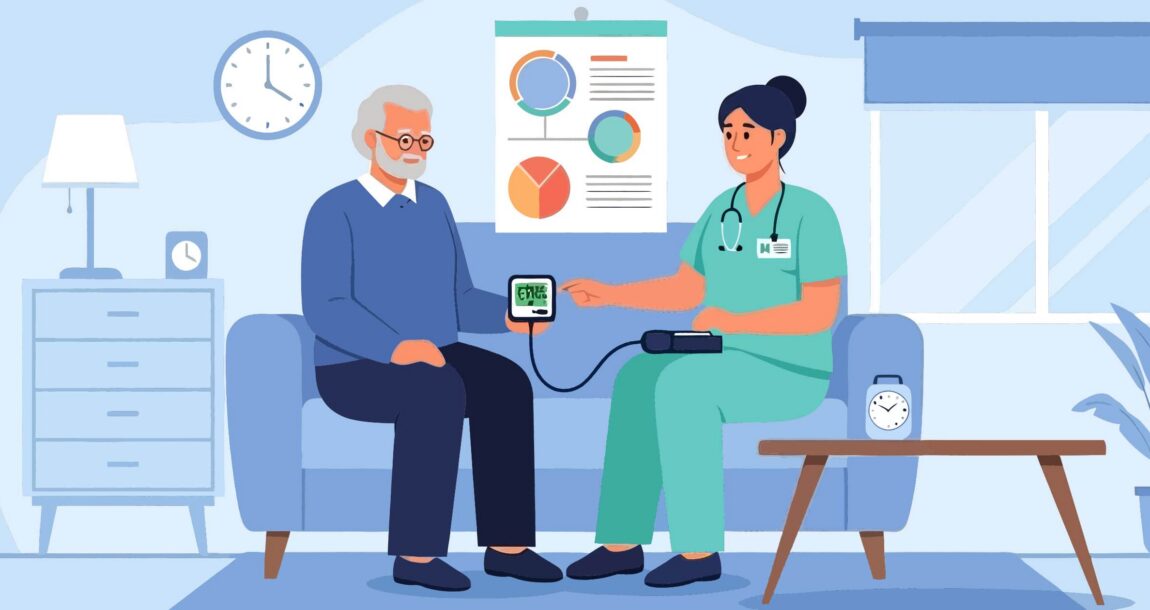
Massive amounts of data are now accessible in real time. As a result, the insurance industry is rapidly evolving from a risk transfer model toward a more active prediction and prevention model. Thanks to artificial intelligence and advances in sensor technology, insurers can mitigate loss before it happens.
“Trusted advisors are now more technology-enabled risk consultants. They’re focused on understanding the prediction and prevention tools available and how to incorporate them into a plan that works for their clients,” said Todd Ackerman, president and Iowa unit leader at World Insurance Associates.
At the end of the day, preventing claims before they happen is good for everyone involved. The preventive insurance model is built on collaboration, where everyone shares the same goal: mitigating risk before it leads to costly losses.
“If we can reduce risk and accidents together, we’re helping protect the individuals we serve, which allows us to avoid disruptions and unexpected costs, such as extended downtime or reputational damage,” explained Sarah Veader, assistant vice president of risk control at Church Mutual, which specializes in insurance for nonprofits, religious organizations, schools and camps.
How telematics and wearable data reduce risk
Over the past few years, the data that insurers can collect has evolved quickly, with a focus shifting toward underwriting insight, risk segmentation and ongoing loss prevention rather than solely post-incident claims analysis.
As wearables evolve, real-time data provides insurers with additional behavioral and physiological indicators that can be used in underwriting models, wellness-based pricing programs and proactive risk-mitigation strategies. Common tools include the following.

Heart monitors: These measure both heart rate variability and resting heart rate. They’re solid indicators of stress levels and cardiovascular health and can be used in predictive risk scoring and wellness program participation tracking.
Fitness wearables: Wearables can provide indicators linked to longevity and overall risk exposure, which insurers may incorporate into wellness incentives or risk stratification models. Studies show that those with fitness levels 15% below their age-group average face an 80% higher mortality risk.
Sleep monitoring devices: The goal of sleep devices is to provide data on individual sleep cycles. They highlight risks related to mental health, obesity and diabetes, which can inform long-term health risk assessments and early intervention strategies used by insurers and employers.
Glucose and blood pressure monitoring tools: These products are designed to support higher-risk individuals. They’re particularly valuable for those with diabetes and are increasingly used in chronic condition management programs that help insurers reduce avoidable claims.
The value of telematics in preventing claims
Veader also reinforced the value of telematics.
“Many of our customers aren’t just transporting products — they’re transporting people. For example, a food pantry that is making deliveries, a church group on a field trip, or a camp moving youth to an off-site activity,” Veader noted.
The risk in those scenarios usually isn’t the number of vehicles — it’s the number of different drivers who get behind the wheel. Each driver has different habits and tendencies.
Telematics gives organizations another set of eyes on the road so they can identify risky behaviors early, coach their drivers in real time and reinforce safe habits before an unsafe pattern becomes an incident.
Turning loss prevention into a scalable business model
Internally, insurers are moving the focus from short-term premium growth to long-term proactive risk mitigation and better overall outcomes.
“Most insurance companies are shifting investments from heavy claims management focus to improvements in risk management,” Ackerman explained.
By preventing or reducing claim frequency through predictive modeling, carriers can not only accurately price risks but also avoid insuring high-risk individuals. AI and the Internet of Things allow them to position themselves as risk partners rather than merely claim payers.
To help ensure loss prevention is both viable and scalable, carriers are also partnering with tech companies that can provide holistic approaches to risk management.
“By working with partner companies like telematics providers and property sensor programs, we’re able to offer them tools at a discount and help lower the barrier to entry. Some insurers go further with safety dividend programs that create a direct financial incentive tied to loss performance, which helps reinforce and reward safe behavior,” Veader said.
Consumer hesitation around data-driven insurance prevention
Several barriers to consumer adoption of preventive models exist.
Data privacy and security concerns are the most notable, as data breaches erode trust in how insurance companies handle sensitive information. Along the same lines is the fear that health data is collected and either sold or used against the individuals who supply the data.
Adoption of the technology and perceived lack of immediate value, especially with the aging population, create another set of barriers. Older adults tend to struggle with newer technology and are not willing to invest in up-front costs for future benefits.
“There’s a real stigma around monitoring, whether it’s health monitoring, driver behavior or how the information may be used. We address that head-on. The primary purpose is prevention and to help leaders identify risks earlier, before a pattern turns into a larger accident,” Veader explained.
These tools give leaders better visibility so they can coach safer behaviors and make proactive adjustments. If that leads to positive change and fewer claims over time, not only does it protect their people and organization, but it can also put them in a stronger position in the long term, including at renewal time.
Cost is often a barrier as well. That’s why Veader and her team have built so many prevention tools with affordability and accessibility in mind. If there’s a price tag on something that could prevent a major loss, the conversation often starts there.
Veader explained that for adoption to work, the solution must genuinely fit into how people operate day to day.
“Drivers, for instance, are less likely to install an app on their personal phones for a telematics program. Finding a transparent solution that could plug into your company’s vehicle instead of ports is a good example,” Veader said.
With anything safety-related, you need buy-in for it to be effective — and that starts from the leadership level and flows throughout the organization. The product must meet users where they are, both practically and personally, and leaders need to communicate the benefits throughout the organization.
That’s why positive reinforcement matters so much. When the framing focuses on rewarding safe behavior rather than catching mistakes, the whole dynamic shifts. Then it’s time to connect the longer arc: Organizations that invest in safety tend to have fewer incidents, and fewer incidents over time tend to mean a more favorable insurance experience.
“More security tools are being used in communication and data collection, such as data encryption, secure coding and multi-factor authentication. Technology is becoming more personalized to the individual, rather than just a piece of equipment to gather information,” Ackerman said.
The result is more personalized, actionable insights that users can understand and apply, while still giving them greater control over how their data and settings are managed.
Immediate risks and opportunities for insurance advisors
For insurance advisors, providing value-added differentiators through services and tools helps strengthen the client relationship. It positions them as trustworthy and brings results-driven solutions to the table. Over time, stronger outcomes support higher client satisfaction and improved retention.
“An insurer or advisor who walks into a meeting and says, ‘Here’s a set of tools to help protect your people and your organization because we care about you and what you do,’ is fundamentally creating a more valuable conversation around insurance,” Veader said.
From the carrier’s perspective, the more data collected, the greater the data security and compliance risks become. As a result, strong risk management practices are required and must be followed strictly. Without them, reputational risk increases significantly, ultimately impacting financial performance and long-term stability.
“As an industry, we must be prepared not just to recommend but to follow through and check in: Make sure customers know what’s available, help them get set up, and help them think through what actions they can take when they receive the notifications or data,” Veader added.
Ultimately, the shift toward preventive insurance highlights the growing role of advisors and carriers working together to translate data into meaningful action that reduces risk before it becomes a claim.



Medicare agents in ‘the wild, wild West’
7 things to do when term life is about to expire
Advisor News
- A rising retirement challenge: The license to spend
- Financial stress leaves less room for retirement saving
- Giving while you’re living: 3 frequently asked questions about gifting
- Helping clients prepare for one of their biggest retirement expenses
- Important year-end financial conversations every advisor must have
More Advisor NewsAnnuity News
- A rising retirement challenge: The license to spend
- What lower interest rates mean to annuity payouts
- AM Best downgrades A-Cap insurers amid financial and regulatory troubles
- Lawsuit claims Delaware Life hid billions in insurer-linked investments
- AM Best to Deliver Presentation at 2026 ACLI Annual Conference
More Annuity NewsHealth/Employee Benefits News
Life Insurance News