

Sea Level Rise Could Significantly Affect Property Insurance
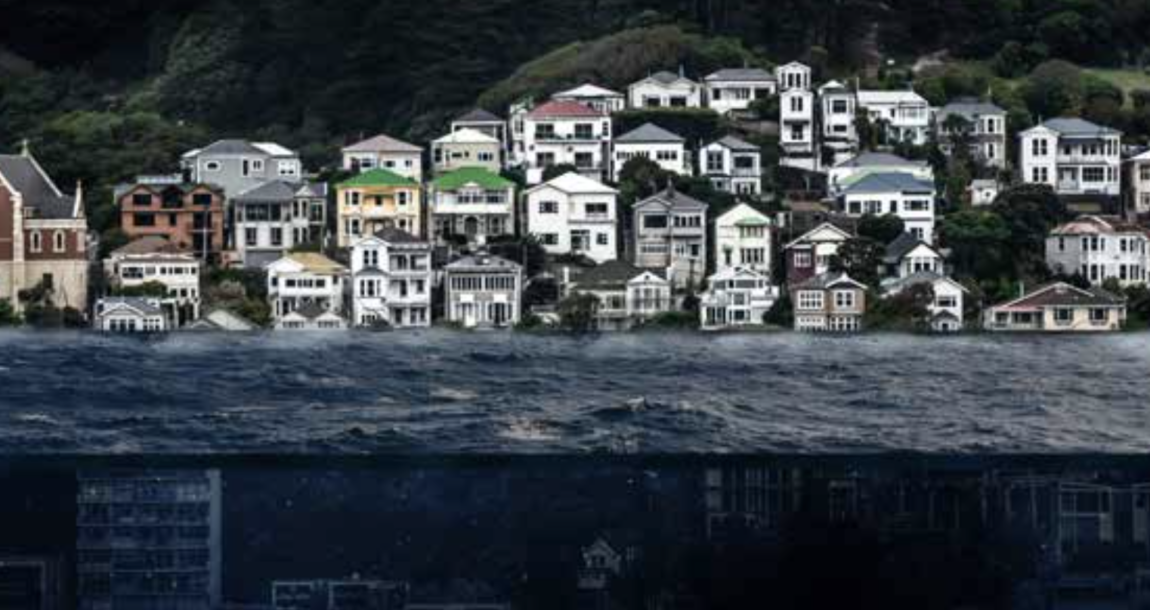
A new report predicts an alarming rise in sea level between now and 2050, bringing with it a greater threat of flooding and related property damage.
The interagency report, led by the National Oceanic and Atmospheric Administration, forecast that U.S. sea levels will rise at the same rate in the next 30 years as they did in the previous 100 years, sparking fears of more frequent high-tide flooding, extreme storm surges and saltwater infiltrating coastal infrastructure.
The NOAA report said scientists are confident U.S. coasts will see between 10 and 12 inches of sea level rise by 2050. But not all coasts will experience the same level of rise. Over the next three decades, sea level rise is predicted to be an average of 10-14 inches for the East Coast, 14-18 inches for the Gulf Coast, 4-8 inches for the West Coast, 8-10 inches for Puerto Rico and the Virgin Islands, 6-8 inches for the Hawaiian Islands, and 8-10 inches for northern Alaska.
Sea level rise will create a profound shift in coastal flooding over the next 30 years by causing tide and storm surge heights to increase and reach farther inland, the report said. By 2050, “moderate” (typically damaging) flooding is expected to occur, on average, more than 10 times as often as it does today, and it can be intensified by local factors.
The report described moderate flooding as currently happening about once every three years but expected to increase to about four times a year, with minor flooding (mostly disruptive or nuisance flooding) increasing from three times a year to 10 events per year. Occurrences of major flooding are predicted to happen five times more frequently in 2050 than they do in 2022.
However, the report said, coastal flooding can be exacerbated by many factors that aren’t directly related to sea level rise, such as rainfall, river discharge and coastal erosion.

Rising ocean temperatures are behind this predicted rise in sea level, the report said. And with 40% of the U.S. population living within 60 miles of its coastlines, rising sea levels will impact a significant number of people.
Sea level rise combined with warming ocean temperatures already made tropical cyclones and hurricanes more deadly and more destructive, a United Nations report revealed. Storm surge can now spread farther inland because of higher baseline sea level, and extreme rain events are predicted to intensify by about 7%.
Flooding will be a hazard even on sunny days, the report said. The frequency of high-tide flood events in coastal cities such as New York, Washington and Miami has already doubled since 2000. Researchers said this increase in high-tide flooding has moved from what was a “rare event” into a “disruptive problem.”
How Does This Impact Insurance?
Two “macro-dynamics” are affecting commercial property insurers, said Hemant Shah, CEO of Archipelago, a property risk data platform. Shah also founded RMS, a global catastrophe modeling and risk management firm.
“The first dynamic is that, as sea levels rise, climate change and climate volatility on dimensions are increasing,” Shah told InsuranceNewsNet. “Risk is rising. Whether it’s for inland flooding, coastal flooding, tidal flooding, the risk is increasing. But we’re not talking only about flooding; we’re also talking about severe convective storms — cyclones and hurricanes in coastal areas. So we have a growing critical amount of science that suggests scientists are more confident that this is increasing, and the frequency of flooding and other climate events will increase over the next several decades.”
Shah said the severity and frequency of weather events over the past few years are evidence that weather risk is increasing.
The second dynamic at work is that the private insurance market is wary about flood risk, Shah said. “Insurers already are reluctant to offer it; they often don’t write it for properties in flood zones, so property owners often have to resort to the federal flood insurance program, which provides limited coverage. And that gap between private insurance and federal flood insurance is growing.”
In addition to the increased risk of flooding and storms, Shah pointed out that there are large populations that are in harm’s way with so many people living in coastal areas.
“That’s something the insurance industry is really beginning to grapple with,” he said. “How does the industry innovate in ways that enable it to write more cost-effective coverage, to cover more people, and to fill their commercial purpose and their social purpose?”
Shah predicted that property insurance will become even more expensive and difficult to obtain for people who are in coastal areas or flood zones. “But if insurers don’t provide coverage, they’re not doing business,” he said. “So it’s both sides of the equation. It’s a challenge.”
For agents who are advising clients on having adequate coverage against weather disasters, Shah suggested first helping the client understand where their property falls relative to the current definition of flood zones.
“But there are some new online resources that are available that project how sea level rise will impact flood zones in the coming decades,” he said. “So it helps to be aware of not only where you are and where you stand today but also where you’re likely to stand in 10 or 20 years.”
Shah said the NOAA report also shows projections of where flood zones are likely to change in the coming decades. “Those are projections and not predictions,” he said. “But science is getting more granular, and scientists are more confident in these projections.”
The NOAA report has implications not only for flooding but also for other weather disasters, Shah said.
“Science is suggesting that the hurricane strike zone dimensions are widening,” he said. “In addition, we are seeing damaging hurricanes and flooding happening earlier and later than the traditional hurricane season. Perhaps most important, I think the likelihood of severe events is increasing as a result of a warmer environment. So we have the right conditions to sustain these severe hurricanes as sea levels and sea temperatures rise.”
He also suggested that warmer ocean temperatures and rising sea levels will contribute to other severe weather events such as more extreme blizzards.
“Going into the future, we’re likely to see more weather volatility and more extreme weather events,” he said.



Liz Weston: Painless — Even Fun — Ways To Learn About Money
Hispanics Feel More Motivated When It Comes To Financial Planning
Advisor News
- Could a narrower focus help grow your practice?
- U.S. debt hits $40 trillion: how to support concerned clients
- Flourish brings private-bank-like cash solution to MassMutual’s network
- Majority of Americans concerned recent market highs are unsustainable
- GLP-1 users choose between medication and retirement saving
More Advisor NewsAnnuity News
- Corebridge Financial Introduces Progressive Trigger, a First-of-Its-Kind Index Annuity Strategy Designed to Turn Missed Years into Future Opportunity
- Insurer proposes $1.1M deal to resolve CA teachers’ annuity fee lawsuit
- IMOs get frustrated with slow carrier adoption of faster technology
- New class-action lawsuit targets Delaware Life over annuity disclosures
- A client remarried: Does their annuity still fit?
More Annuity NewsHealth/Employee Benefits News
Life Insurance News