

Health care reform must include addressing high costs
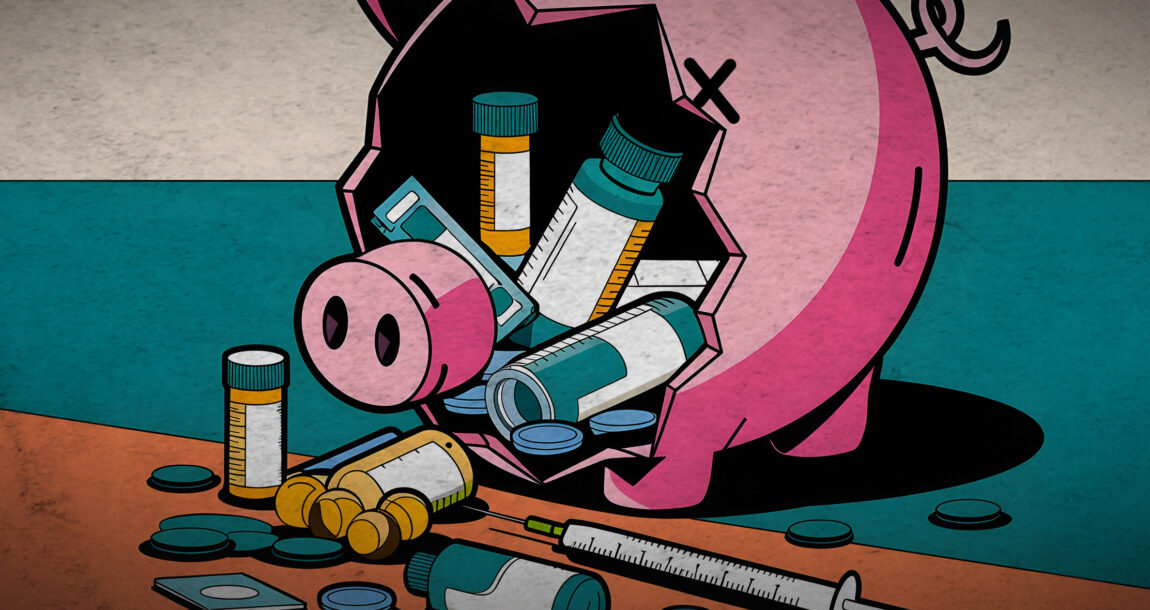
Federal cuts to Medicaid will end up increasing costs to the nation’s health care system as low-income people who lose their coverage will seek treatment in emergency rooms and other high-cost facilities.
That was the word from Dr. David Nash, physician and professor of health policy at Jefferson College of Population Health during a recent webinar by the Committee on Economic Development.
The “One Big Beautiful Bill Act cuts approximately $930 billion from Medicaid over the next decade, risking coverage loss for roughly 11.8 million adults by 2034.
“It’s a paradox in that these cuts will actually drive up costs,” Nash said. “These folks who lose coverage won’t have a place to go, so they’ll go to the ER, the most expensive place to get care, and they will be referred to systems that will have to charge employers and their employees more to cover the costs of those who don’t have a place to go.”
Nash said that one problem with health care “isn’t about cost; it’s about waste.” He said that about 25% of health care activities are wasteful.
“Let’s be more efficient about what we’re doing, let’s reduce waste in the system and let’s practice medicine based on the evidence.”

Nash noted that employer-based health insurance also must be reformed to reduce high costs and waste.
Health policy experts have spent the past 40 years discussing ways that employers can reduce health care costs, Nash said, yet the average cost of employer-based coverage hit an all-time high of almost $27,000 for a family plan.
“Obviously, something is not working,” he said.
Prevention is not the only fix for health care ills
Although prevention is one solution to rising health care costs, Nash said, gym memberships and healthy foods “are missing the cornerstone issue here, which is that 5% of employees generate half of all the health care costs for the employer.”
“We must focus on that top 5%. All those other factors will never solve the employer health crisis.”
Nash called for using managed care organizations, accountable care organizations and value-based organizations to align economic incentives for those who pay the health care bills.
He described three things that would transform health care in the U.S.
- Practice prevention. “Go upstream and shut off the faucet instead of mopping up the floor,” he said. “Good nutrition and exercise.”
- Reverse “our crazy imbalance between specialists and primary care providers.” Nash said that in most other countries, there are three PCPs for each specialist. In the U.S., it is the reverse. “We must promote primary care.”
- Fixing the obesity epidemic. “We can fix obesity in America by reducing total adult daily caloric intake by 60 calories – that’s 6-0,” he said.
ACA needs some reform around insurance
The Affordable Care Act is under fire again in Washington, with enhanced tax credits set to expire at the end of this year and no plan in Congress to extend them.
Jeffrey Alter, CEO of Sound Physicians, said he doesn’t know what the ACA will look like going forward “unless there is some reform around the insurance part of it.”
“The greatest part of the ACA was that it expanded Medicaid. If that’s taken way, those people will suffer the most and they will seek coverage at the most expensive parts of our system,” he said.
But the ACA marketplace structure enables people to move in and out of the system while younger adults don’t see the value of obtaining coverage, he said. In addition, he said the framers of the ACA failed to create a high-risk pool that he said would stabilize the marketplace.
“I hope we can find a bipartisan team to look at this and that also allows the industry’s experience – and not politics – to be part of the discussion,” he said. “Otherwise, I don’t know where the marketplace will go.
© Entire contents copyright 2025 by InsuranceNewsNet.com Inc. All rights reserved. No part of this article may be reprinted without the expressed written consent from InsuranceNewsNet.com.



NAIC health panel to study ‘affordability,’ other disparities in 2026
Kyle Busch IUL lawsuit moved to federal court at PacLife’s request
Advisor News
- CT governor’s candidates claims: What’s true, and what’s misleading
- Retaining clients by giving them a memorable experience
- Addressing the longevity paradox
- Employers shift focus from retirement access to financial outcomes
- Helping widowed clients navigate their new financial reality
More Advisor NewsAnnuity News
- Symetra and TIAA Announce Launch of Mariner Re
- Jackson Launches Suite of Fixed Index Annuities Focused on Accumulation
- Farm Bureau P&C insurers post first underwriting gain since 2021
- Legacy Marketing, Malibu Life launch two fixed indexed annuities
- Changing client priorities are reshaping annuity conversations
More Annuity NewsLife Insurance News
Property and Casualty News
- Total Loss Auto Claims Weigh on Insurance Customer Satisfaction
- District 48 candidates Brian Hardin, Jessica Landers weigh in on taxes, spending and representation
- The Hartford Reports Strong Third Quarter 2026 Financial Results
- EMC Insurance Receives Insurity’s Excellence in Operational Efficiency Award
- USAA lowers auto insurance rates for nearly 500,000 Floridians
More Property and Casualty News