

Copyright lawsuits highlight potential risks for agents using AI tools in marketing
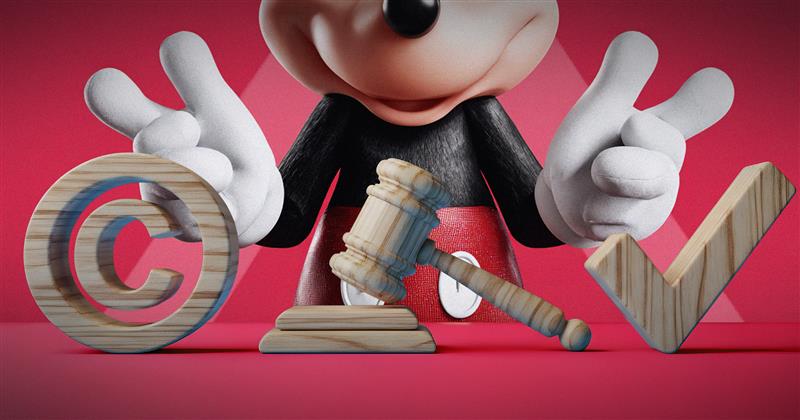
Artificial intelligence has quickly become a staple for independent insurance agents and financial advisors seeking to streamline client communications and build a presence on social media. But experts warn that the same tools fueling efficiency also carry significant copyright risks.
That was the message from a panel of international copyright attorneys and industry leaders hosted by the Copyright Clearance Center. Speakers detailed a wave of lawsuits in the United States and abroad targeting AI companies over how they gather, train on, and reproduce copyrighted content.
Dozens of U.S. lawsuits
Nancy Wolff, a veteran copyright attorney, noted that more than 50 lawsuits are pending in U.S. courts, largely in California and New York, with publishers and authors challenging AI developers such as OpenAI and Anthropic.
“These cases will take years to resolve, but the central questions involve whether AI training is a substitute for original works and whether licensing is required,” Wolff said. She emphasized that under U.S. law, copyright protection is territorial, and fair use—the doctrine allowing limited use of copyrighted material without permission—is highly fact-specific.
For financial professionals, the lesson is that AI tools may be built on content whose legal status is unsettled. Using outputs directly in advertising or client-facing materials could expose firms to claims if the generated text or images resemble copyrighted works.
International disputes
Across the Atlantic, the U.K. and European Union are also wrestling with AI and copyright. British attorney Hayleigh Bosher pointed to Getty Images’ lawsuit against Stability AI, alleging that millions of photos were scraped without permission to train the popular image generator Stable Diffusion.

Unlike the U.S., the U.K. relies on narrower “fair dealing” exceptions, which make it harder for AI developers to argue that mass data scraping is permissible. The European Union has introduced new rules for text and data mining, but courts are already fielding challenges about how they apply to AI systems.
“Transparency is a major issue,” Bosher said. “In some cases, AI engineers admitted they had no guidance on intellectual property. That should concern anyone using these tools in a commercial setting.”
Hollywood weighs in
The entertainment industry has also entered the fray. Tarika Carrington of the Motion Picture Association cited recent lawsuits filed by Disney, Warner Bros. Discovery and Universal against Midjourney, an AI image and video generator.
“These are essentially piracy lawsuits,” Carrington said. “Studios argue that their copyrighted characters are being replicated without authorization, undermining the licensing ecosystem that protects creative work.”
For insurance professionals, the implications are clear: if a tool can create recognizable corporate mascots or movie characters, it could just as easily generate infringing outputs tied to a brand—outputs that might accidentally end up in a social media post or marketing brochure.
The licensing path
Despite the litigation, panelists stressed that licensing offers a path forward. Major publishers, stock image houses and news organizations are already licensing their content to AI firms. Clean, licensed datasets help reduce bias, improve reliability, and minimize legal risk.
“Many of the same companies suing today are also actively licensing,” Wolff said. “Professional, curated content has value that scraped material does not.”
What it means for agents and advisors
Independent agents and advisors experimenting with AI for newsletters, ad copy, or client education should be cautious:
- Review outputs carefully. Don’t publish AI-generated material without checking for trademarks, watermarks, or uncanny similarities to existing works.
- Use trusted sources. Consider AI platforms that publicly disclose licensing agreements with publishers or image providers.
- Avoid overreliance. Treat AI as a brainstorming tool, not a final product. Human oversight remains essential.
- Stay informed. Court rulings are likely to shape what qualifies as fair use versus infringement, but consensus is still years away.



Tips for translating finance for the Gen Z client
Federal policy that agents said hindered ACA health enrollments is rescinded
Advisor News
- Majority of Americans concerned recent market highs are unsustainable
- GLP-1 users choose between medication and retirement saving
- Gen X and millennials seek new retirement model
- Are families ready for the costs of aging at home?
- When a client moves, their insurance plan needs to move, too
More Advisor NewsAnnuity News
- A client remarried: Does their annuity still fit?
- Gen X and millennials seek new retirement model
- Global Atlantic names Dan Farrelly head of IMO and IBD channels
- A rising retirement challenge: The license to spend
- What lower interest rates mean to annuity payouts
More Annuity NewsHealth/Employee Benefits News
Life Insurance News