

Building AI With Intention: A conversation with Ameritas’ Sue Wilkinson
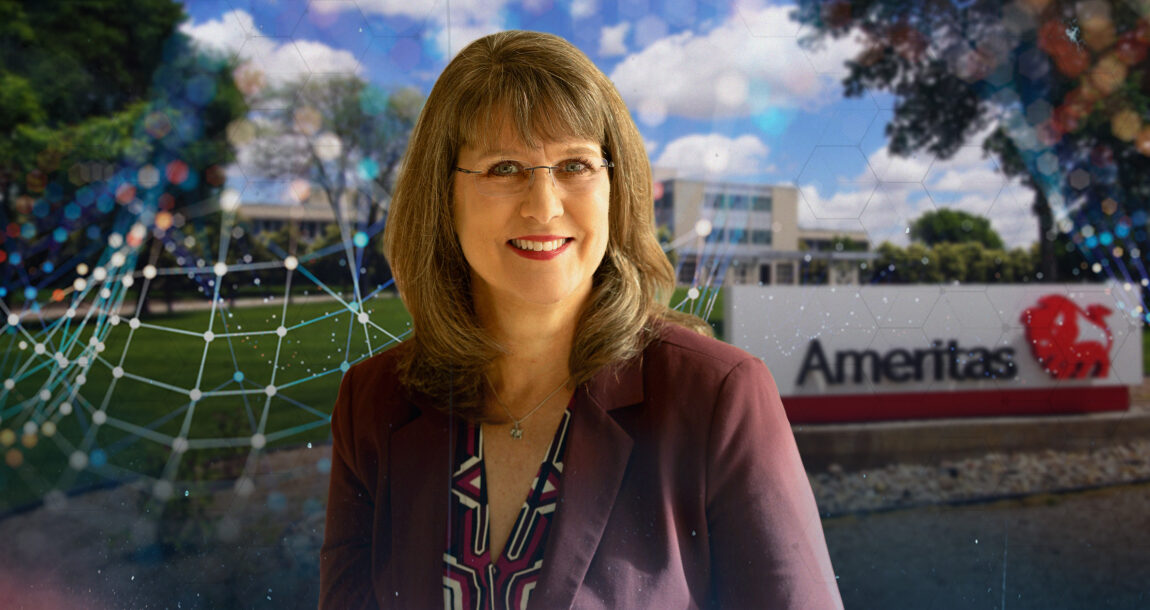
Paul Feldman, publisher of InsuranceNewsNet, recently spoke with Sue Wilkinson, president and chief operating officer of Ameritas, about how the 138-year-old insurer is adopting artificial intelligence with a “walk-before-you-run” strategy—grounded in governance, human oversight and end-to-end process improvements—to speed underwriting, strengthen compliance, and deliver faster service without losing the human touch.
Paul Feldman: Sue, what first caught my attention about your company is how you’re approaching AI. A lot of firms seem to be rushing in. What are you doing differently?
Sue Wilkinson: I wouldn’t claim we’re doing everything right, but we made a conscious decision not to ignore the trend and then wake up two years behind. We started by staying ahead of the curve where we could, and by being thoughtful. That meant establishing governance first — what we would and wouldn’t allow — and only then moving into use cases. Think of it as crawl, walk, run, but with intention.
Feldman: What does “with intention” look like in practice?
Wilkinson: As an insurance company, we’re founded on risk, so we began with the risk lens. About 19 months ago, before we had internal tooling, we told associates they could try ChatGPT — with clear parameters. When it came to use cases, we asked people not to start with a single pain point. Instead, define the full outcome and then decide where AI fits. If you only attack a pain point, you can miss the broader opportunity.
Feldman: Give me an example of going beyond a pain point.

Wilkinson: SOC 2 reports from vendors are long and dry. The temptation is to say, “Have AI read this and spit out highlights.” Instead, we looked end-to-end: how we intake the reports, how we read them, how we analyze and store results, and what happens downstream. We did improve the time it takes to process those reports, but we also modernized the entire workflow rather than just one step.
Feldman: How is AI improving the customer experience?
Wilkinson: Today we’re deliberately avoiding direct, customer-facing AI. We’re applying it to the back end so we aren’t experimenting on customers. That said, members feel the impact. For example, in underwriting we use AI to review attending physician statements. It can parse hundreds of pages — even handwritten notes — and summarize for underwriters. That speeds decisions and gets policies into policyholders’ hands faster, even if they never “touch” the AI.
Feldman: What challenges have you hit?
Wilkinson: The hardest part is mindset — encouraging teams to view entire processes, not just friction points. We also addressed natural fears about job loss early on. Our message was clear: AI is here to make us more efficient and help associates deliver more value to customers and producers, not to remove the human from the loop.
Feldman: How do you have that conversation so people don’t feel replaced?
Wilkinson: We asked for use cases from the ground up. When the people doing the work define the opportunities, there’s less anxiety. Maybe AI removes 20 percent of a task; that’s meaningful, but it’s not 100 percent of someone’s job. Bottom-up ideation feels very different from a top-down mandate.
Feldman: Where do you see AI headed across the industry?
Wilkinson: You read everything from “AI takes over” to “It’s just a tool.” The more realistic view — and the one that gives me comfort — is that AI is powerful but not a cure-all. There are real efficiencies to gain, and we’re pursuing them, but we’ve been around since 1887. We’ve lived through many technology shifts. The goal is to stay relevant while keeping humans — and our mission — at the center.
Feldman: What about agents? How will AI interact with them?
Wilkinson: On the group side, think RFP intake and automatically completing standard information — that’s distribution-adjacent. On the individual side, impacts will show up in faster applications and underwriting, and in the way we deliver information back to producers for their clients. It’s less about one-to-one AI interactions and more about speeding the path to issue.
Feldman: So underwriting gets faster?
Wilkinson: Yes. We’re already seeing improvements. On the group dental side, for instance, we’ve used AI for more than two years to review X-rays and proposed procedures. AI flags appropriateness, then a panel of dentists validates the recommendation. It’s not “no-touch claims”; it’s pre-procedure review to ensure the most appropriate care. Humans stay in the loop.
Feldman: How do you align AI work with company strategy?
Wilkinson: Every business unit maps to multi-year goals — efficiency among them — and then asks, “Where does AI support that?” We collect use cases, prioritize, and test in both large and small areas. It can’t be only the big processing shops. We also look at compliance, like using AI to help with marketing materials reviews, to improve the experience for smaller teams. Touch many parts of the enterprise to build broad buy-in.
Feldman: What internal roadblocks have you had to clear?
Wilkinson: Two come to mind. First, timidness: people are unsure how to start. We launched an internal tool — we call it Scout — an enterprise version of a large language model that lets associates securely load documents, ask for analyses, and experiment. We also use Microsoft Copilot and ran a summer “AI school,” seven or eight short modules that walked people through practical prompts like “Create an executive summary” or “Improve this memo.” Second, governance: a company with longevity has guardrails. We’ve worked to keep appropriate oversight while allowing faster test-and-learn cycles.
Feldman: What exactly is Scout?
Wilkinson: It’s our internal, privacy-safe LLM environment. Associates can upload files and ask targeted questions — compare columns in a spreadsheet, rewrite onboarding plans for a new role, draft summaries. It doesn’t “remember” past sessions yet, but it’s already boosting efficiency and familiarity with AI.
Feldman: Are you exploring LLMs in actuarial?
Wilkinson: We’re evaluating them for assumptions and experience studies. Nothing in production yet, but we see potential for ongoing efficiency.
Feldman: Where do you see things in three to five years?
Wilkinson: More interactivity, more customer-facing use in the industry overall — chat and service are already there — but not a takeover. We’re in the business of helping people. AI will serve our mission; it won’t replace human empathy.
Feldman: What advice would you give carriers — and distributors — looking at AI now?
Wilkinson: Walk before you run. Start with the outcomes you want, not the tools you want to deploy. Put responsible governance in place early so you know who approves what and how you’ll monitor risk. And prepare the workforce — mindset, education, and hands-on practice. Rolling out technology without readiness is not a recipe for success.
Feldman: What was your message to employees at the outset?
Wilkinson: First, we explained the governance — especially around issues like bias that people were reading about — and how we’d prevent it. Then we encouraged simple, even fun uses to build comfort: let AI draft an email, summarize a deck, restructure a report. Our AI school was optional but popular, and as we increased Scout’s “brainpower,” we invited bigger use cases like loading files and analyzing data. We’ve brought people along rather than dropping a tool on them and saying, “Go.”
Feldman: Bottom line?
Wilkinson: AI is a tool. Used with intention — full-process thinking, strong governance, and humans in the loop — it can speed underwriting, improve compliance reviews, and streamline operations across life, annuities and group benefits. The win is faster, better service for producers and customers while preserving the human experience that defines our industry.
© Entire contents copyright 2026 by InsuranceNewsNet.com Inc. All rights reserved. No part of this article may be reprinted without the expressed written consent from InsuranceNewsNet.com.


A-Cap suspends Sentinel Security Life business; gets reprieve for Atlantic Coast Life
Waterlily: Taking the guesswork out of LTC planning
Advisor News
- How to support an entrepreneur client with multiple businesses
- Could a narrower focus help grow your practice?
- U.S. debt hits $40 trillion: how to support concerned clients
- Flourish brings private-bank-like cash solution to MassMutual’s network
- Majority of Americans concerned recent market highs are unsustainable
More Advisor NewsAnnuity News
- MassMutual Expands Lending Options With New Secured Credit Line
- Corebridge Financial Introduces Progressive Trigger, a First-of-Its-Kind Index Annuity Strategy Designed to Turn Missed Years into Future Opportunity
- Insurer proposes $1.1M deal to resolve CA teachers’ annuity fee lawsuit
- IMOs get frustrated with slow carrier adoption of faster technology
- New class-action lawsuit targets Delaware Life over annuity disclosures
More Annuity NewsHealth/Employee Benefits News
Life Insurance News