

Insurance Risk Services of Georgia finds roadside assistance towing programs lack financial responsibility, accountability and expose motorists to great financial risks
In a Risk Assessment for
With new vehicles having traction control systems, carbon fiber, aluminum frames and other expensive computer technology, motorists have no idea about which towing companies to use, so they depend on the roadside assistance towing programs to help get vehicles safely to a dealership or repair facility. However, roadside assistance towing programs are the worst to use because they are looking to make a profit and fail to pay rates that cover training for new technology, to possess proper equipment and to meet legal standards, exposing the motorist to great financial risks.
When a motorist calls for roadside assistance, they are often deceived into believing they are speaking to the actual vehicle manufacturer or insurance carrier, but actually are speaking with a third-party roadside assistance call center. These operators have no idea of the situation, equipment needs, costs and legal issues. It's common for misleading/false information to be relayed to the motorist about services and costs. It is not uncommon for a motorists to have an outstanding bill at the end of service because equipment and additional labor or services are not covered in the motorist roadside towing program. Roadside dispatch companies use tow providers who accept the lowest rates (around
To help shield the roadside assistance companies from liability exposure, most roadside assistance programs have discontinued direct telephone communication with tow providers and motorists with the use of a smartphone app or internet software, providing a huge disconnection with the communication process. The telephone hold time to speak to a roadside assistance operator averages about 86 minutes, without any compensation for the telephone-wait-time labor being paid to the tow provider. When a damage incident takes place, roadside companies use this to hide behind complicated vendor contracts while telling the motorist to file a claim with their insurance company.
With today's culture moving to electric vehicles, the roadside assistance dispatching companies are not providing additional funding for tow providers to get training to keep up with the new technology. This technology requires tow providers to be educated, trained and made aware of the legal issues with these vehicles. A roadside assistance company recently had an incident where they sent out a tow provider to pick up a 2022 Ford Mach-E, which was disabled on the side of the road. The roadside assistance dispatched a tow provider who arrived at the scene with a truck that failed to meet federally mandated weight limits. Then the operator improperly hooked the winch-cable to the battery-frame-rail and pulled the vehicle with the cable attached to the wrong connection point, resulting in damages to the EV battery-rail totaling

Commercial Insurance Carriers are tired of paying claims made by towers who fail to have proper training, proper equipment, and financial responsibility. Therefore, they are requiring tow providers to get addendums to the on-hook-cargo portion of the policy to cover high-end luxury, specialty and electric vehicles. Tow providers must qualify with risk assessments and underwriting guidelines with an insurance carrier prior to these coverages being issued. Insurance agents and underwriters have also started placing policy restrictions on towing companies from conducting business with some roadside assistance companies due to the unethical, illegal business practices and financial risks they bring. Many roadside assistance programs and tow providers ignore these required provisions.
Most roadside assistance programs do not cover the additional costs associated with luxury, specialty or electrical vehicles (EV). They pay low fees for all vehicles. EV technology is expensive and so is the equipment and insurance required. The national average ten-mile tow bill for an EV averages about
With the ongoing financial risk exposure to the motorist with roadside assistance tow programs, major changes need to be made to prevent the continuation of damage incidents. The European automotive operations have solved the plethora of issues experienced with EVs and AWD vehicles with the EasTract technology. It appears to be the only solution around capable of solving all the technical issues.
Related Images
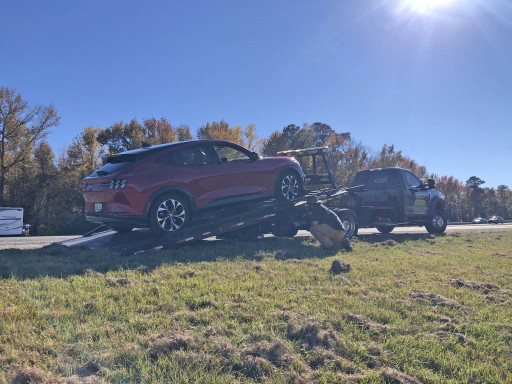
Image 1: Ford F550 Loaded with 2022 Ford Mach-E
Ford F550
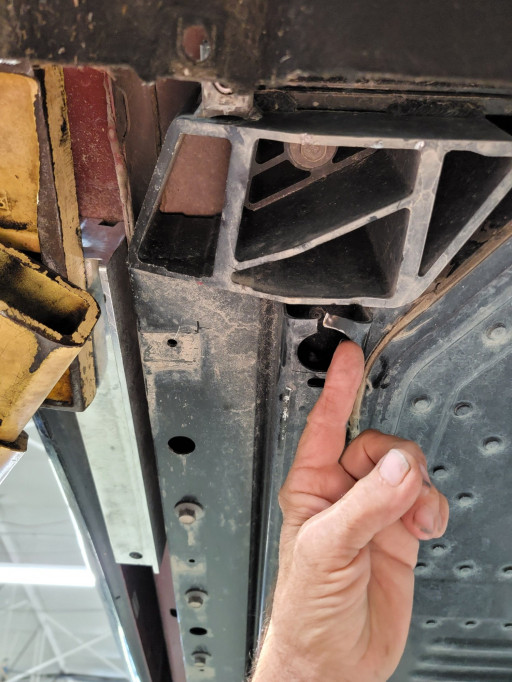
Image 2: 2022 Ford Mach-E Damage
2022 Ford Mach-E with
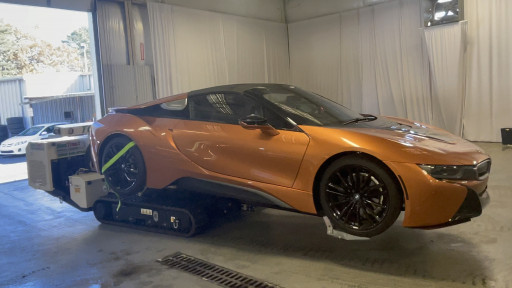
Image 3: EasTract TowTract w/2017 BMW i8
EasTract TowTract Robot carrying a nonoperational 2017 BMW AWD i8 Hybrid inside the ship to deliver to the mechanic's work area.
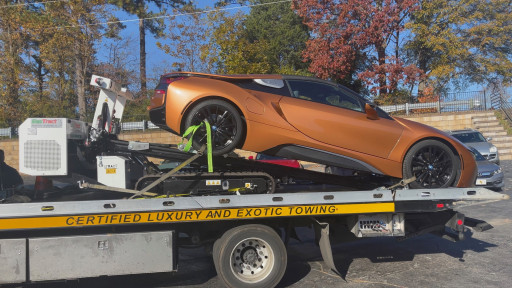
Image 4: EasTract TowTract w/BMW i8 Loaded & Strapped Down
EasTract TowTract Robot loaded with a disabled 2017 BMW AWD i8 Hybrid strapped down ready for transport to the repair facility.
This content was issued through the press release distribution service at Newswire.com.
Attachment


Ford F550 Loaded with 2022 Ford Mach-E
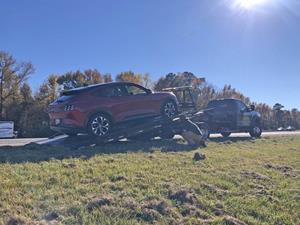
Ford F550 Loaded with 2022 Ford Mach-E
Source:


House Publishes Executive Communications on Feb. 15 Involving Regulations Published in Federal Register
FY 2021 continued operations results
Advisor News
- Your client’s $3 million portfolio doesn’t tell you their insurance needs
- How life insurance can provide liquidity for wealthy families
- Retirement providers turn to digital engagement to retain assets
- Looking out for clients with diminished mental capacity
- House panel advances CLEAR Forms Act backed by IRI
More Advisor NewsAnnuity News
- What lower interest rates mean to annuity payouts
- AM Best downgrades A-Cap insurers amid financial and regulatory troubles
- Lawsuit claims Delaware Life hid billions in insurer-linked investments
- AM Best to Deliver Presentation at 2026 ACLI Annual Conference
- Global Atlantic Announces Launch of ForeLifetime Income, a New Fixed Index Annuity
More Annuity NewsHealth/Employee Benefits News
Life Insurance News