

Two lessons career changers wish they knew before starting the CFP journey

By Nadine Burgos
Changing careers has a way of making you feel like you’re starting from zero.
That was my assumption entering financial planning. New industry, new language, new expectations. But early in the journey of becoming a CFP professional, one thing is clear: most career changers aren’t starting over, we’re learning how to apply what we already know in a new context.
The biggest challenges early on aren’t technical, they’re directional. Here are two lessons I’ve learned so far.
1. Let your direction guide your credentials
For career changers, one surprise is just how many credentials exist. Most planners aren’t just CFP’s; they often hold additional credentials such as:
• CFA (Chartered Financial Analyst)
• CLU (Chartered Life Underwriter)
• EA (Enrolled Agent)
• CIMA (Certified Investment Management Analyst)

At first, this can feel inconsistent and overwhelming.
• How do you know which credentials matter?
• Why do some planners have a dozen letters while others focus on one?
• And how do you schedule study time when every add-on feels like another exam?
It’s tempting to think, “I’ll just start stacking credentials and figure it out later.” But a better approach, especially as a career changer, is to slow down and consider the following points:
• Decide what type of planner you want to be.
• Identify the clients you want to serve.
• Use credentials as tools to deepen expertise, not as a checklist to chase.
• Leverage your prior experience, it often points to a natural niche.
• Important note: if you already hold certain credentials, you may qualify for the CFP accelerated pathway, letting you earn the designation faster.
But what if you haven’t yet decided which clients you want to serve or the type of planner you want to become? That’s a common dilemma for career changers. A smart way to explore is through your experience hours, so don’t treat them as a checkbox. Use this time to try different roles, work with a variety of clients, and explore different areas of financial planning.
This brings us to the next lesson: the 6,000-hour experience requirement is flexible, and it can help you explore your niche while meeting CFP certification requirements.
2. The experience requirement is more flexible than you think
The 6,000-hour experience requirement, also known as the Standard Pathway, can feel daunting, but it’s more flexible than most people realize:
• Must be completed within 10 years before and/or 5 years after passing the CFP exam.
• A one-time, three-year extension is available if requested at least 60 days before the five-year deadline.
• Recent updates allow up to 500 hours of pro-bono work.
The key isn’t just logging hours, it’s planning them.
• Do you try to knock out most of it before the exam?
• Do you study first and figure out experience later?
• Do you try to do both at the same time?
There’s no perfect answer, but there is a wrong move, which is not thinking about it early.
You also don’t have to follow a traditional path. Opportunities include:
• Amplified Planning Externship
• Internships
• Working in a relevant role, such as a paraplanner
• Amplified Planning Core Subscription
• Volunteer opportunities
• FPA Residency Program
• Coaching Capability by Andi Wrenn
For career changers, that flexibility matters. Not everyone can or wants to transition directly into a full-time role. Choose opportunities that build skills and confidence, not just hours. Treat experience as a way to explore the field, clarify your interests, and start shaping the planner you want to become.
The bigger picture
No matter where you are, whether just starting, midway, or finishing, pause to consider your path, your strengths, and the type of planner you want to be. Your past experiences are assets, not obstacles.
Focus on direction before credentials. Treat experience as a growth opportunity. Apply these lessons early, revisit them often, and let them guide your decisions.
If you take one thing away: your journey is yours to define. The steps you take now shape the professional you become tomorrow. Start intentionally, stay curious, and explore the opportunities available. You may be surprised by the flexibility you have.
Even small actions matter. This week, consider exploring an externship, scheduling volunteer hours, or clarifying your niche. Those small steps build momentum and move you from drifting to deliberately creating your career.
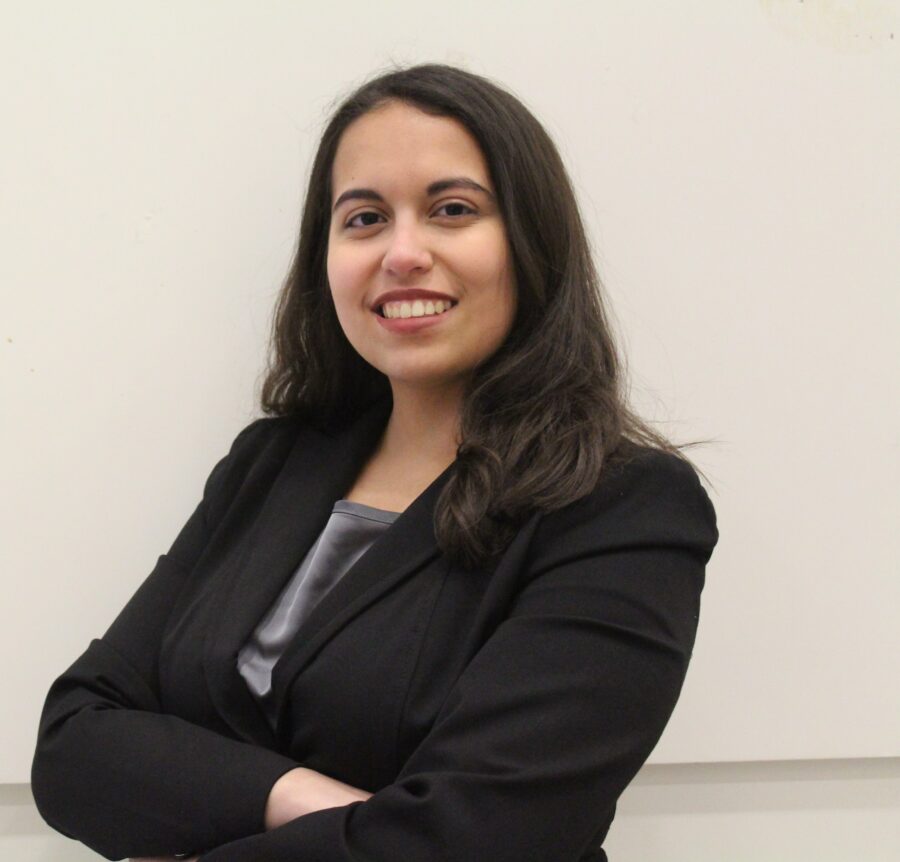
Nadine Burgos is a financial professional and entrepreneur pursuing her CFP certification, focused on helping women and underserved communities navigate financial planning. She holds a B.A. in economics with a minor in statistics and a master's in accounting from Rutgers University, and brings a diverse background in banking, public accounting, and higher education. She is an active member of FPA NexGen, NJ CPA Society, ALPFA, and AFCPE.


Life insurance tips: 5 underwriting concerns for clients living abroad
Health insurers used hidden online tracking tools, lawsuits allege
Annuity News
- New class-action lawsuit targets Delaware Life over annuity disclosures
- A client remarried: Does their annuity still fit?
- Gen X and millennials seek new retirement model
- Global Atlantic names Dan Farrelly head of IMO and IBD channels
- A rising retirement challenge: The license to spend
More Annuity NewsHealth/Employee Benefits News
Life Insurance News
Property and Casualty News
- The next act for cyber insurance
- Proposed FEMA map could make some Howard residents get flood insurance
- Police investigating after explosion damages Tacoma business
- State insurance commissioner candidates clash over how to fix the system
- East Hartford woman charged with double-dipping from Medicaid caregiver programs
More Property and Casualty News