

The lettuce recall: A case study for insurers and their clients
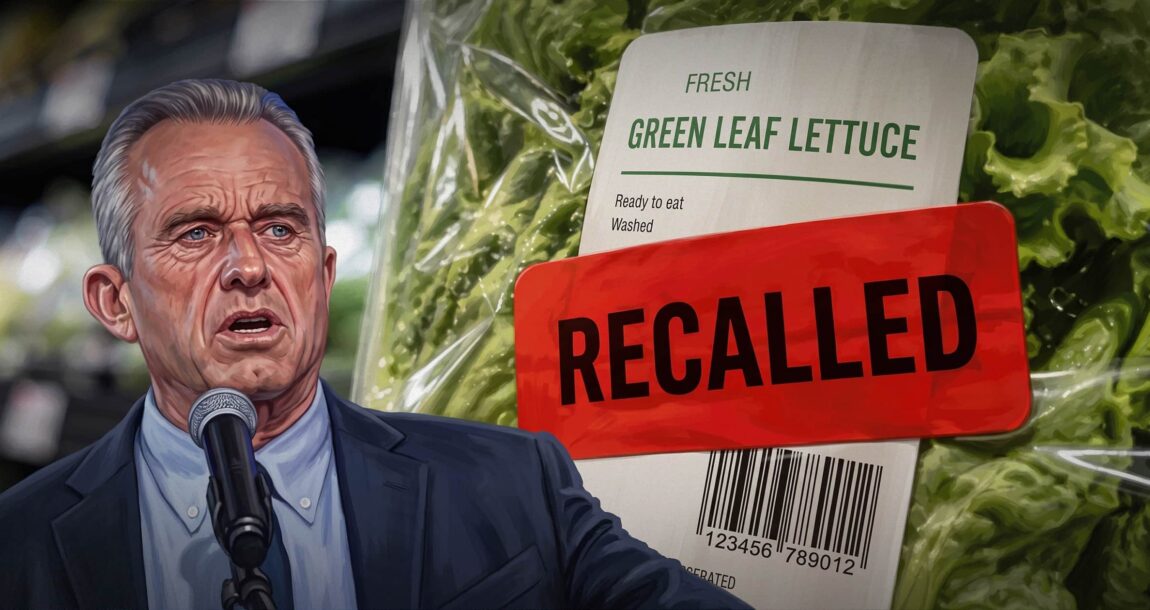
The recent Taylor Farms/Taco Bell lettuce recall is a case study about the tremendous risk for insurers when supply chains aren’t recall-ready. This widespread, multistate crisis sickened thousands and has created an unprecedented insurance nightmare, involving overlapping product liability and recall claims. As one of the biggest food safety and recall incidents of the year, this will be expensive and damaging from an insurance standpoint. Generally, the higher the number of illnesses and deaths, the more costly it is for insurers across the whole supply chain.

Everyone ends up paying out when something goes wrong. An event of this magnitude, with a higher number of cases, means companies must pay more. Litigators look for the full amount possible for their claimants, then work backward until all the insurance has been maxed. They look at responsibility from a supply chain perspective — i.e., the point of sale has responsibility to buy wholesome product from its supplier, the supplier has the responsibility to sell a safe product, etc. Each position carries its own coverage, and each becomes a point of recovery.
Incentivizing readiness across the supply chain is the best way to minimize exposure and risk. In today’s complicated food ecosystem, it’s important for insured clients to have proven ways to minimize recall damage. Things go awry when companies aren’t prepared. Evolving situations with unclear communication, challenging traceback and media inflation create more exposure, longer and bigger incidents, and bigger insurance payouts. This outbreak produced several examples of how that plays out:
- Evolving situations are normal. Recalls are complicated and evolve. Since Cyclospora symptoms typically don’t appear for days or weeks after consumption, it’s challenging and time-consuming to identify the contamination source. A recall that starts with a traceback conclusion and later works through a lab result is what a live investigation looks like. Companies that communicate poorly through that evolution extend the incident, and a longer incident is a more expensive one.
- Clear communication is essential. Early information about the outbreak was confusing and incomplete, which fueled consumer fear well beyond the affected product. Consumers stopped buying bagged salad of every kind, and fear extended to other produce types as well. That reaction is rational when there isn’t clarity about the recall scope — companies that have systems in place to clearly identify and communicate specifics about the affected product are able to contain the impact more effectively.
- Complex supply chains = harder traceability. Multiple produce recalls —including the Taylor Farms lettuce — can be traced back to imported ingredients. International sourcing makes tracing products across the supply chain more complex and more important. When identification is slow, the recall gets broader than it needs to be.
- Immediate, proper action can’t be improvised. Interoperable systems across trading partners mean faster movement from issue detection to action, more targeted recalls, and less risk for supply chains and their customers. However, the industry lacks standardized data and systems to share critical information seamlessly. As the industry works toward this goal, trading partners must work collaboratively to streamline processes, harmonize data and protect public health.
Bill Marler made an argument in Food Safety News that insurers should take note of. He points out that underwriting routinely asks whether a food company has a recall plan, but almost never asks the company to demonstrate that the plan works. He's right. The difference between a company that has a recall plan and a company that can execute one is enormous. Today those two companies frequently present as equivalent risks.
An incentive structure that rewards companies able to prove they are ready would help move readiness across entire supply chains, reducing risk at every point. Incentivized recall readiness is in everyone’s best interest — the public, the companies involved, and the insurers who are financially responsible when things go wrong.
© Entire contents copyright 2026 by InsuranceNewsNet.com Inc. All rights reserved. No part of this article may be reprinted without the expressed written consent from InsuranceNewsNet.com.



Bitcoin gains ground in retirement market with Equitable annuity option
Your client wants to cash out an annuity. Here’s what to consider
Advisor News
- Flourish brings private-bank-like cash solution to MassMutual’s network
- Majority of Americans concerned recent market highs are unsustainable
- GLP-1 users choose between medication and retirement saving
- Gen X and millennials seek new retirement model
- Are families ready for the costs of aging at home?
More Advisor NewsAnnuity News
- New class-action lawsuit targets Delaware Life over annuity disclosures
- A client remarried: Does their annuity still fit?
- Gen X and millennials seek new retirement model
- Global Atlantic names Dan Farrelly head of IMO and IBD channels
- A rising retirement challenge: The license to spend
More Annuity NewsHealth/Employee Benefits News
Life Insurance News