

Tariffs drive contents claims higher for property/casualty insurers
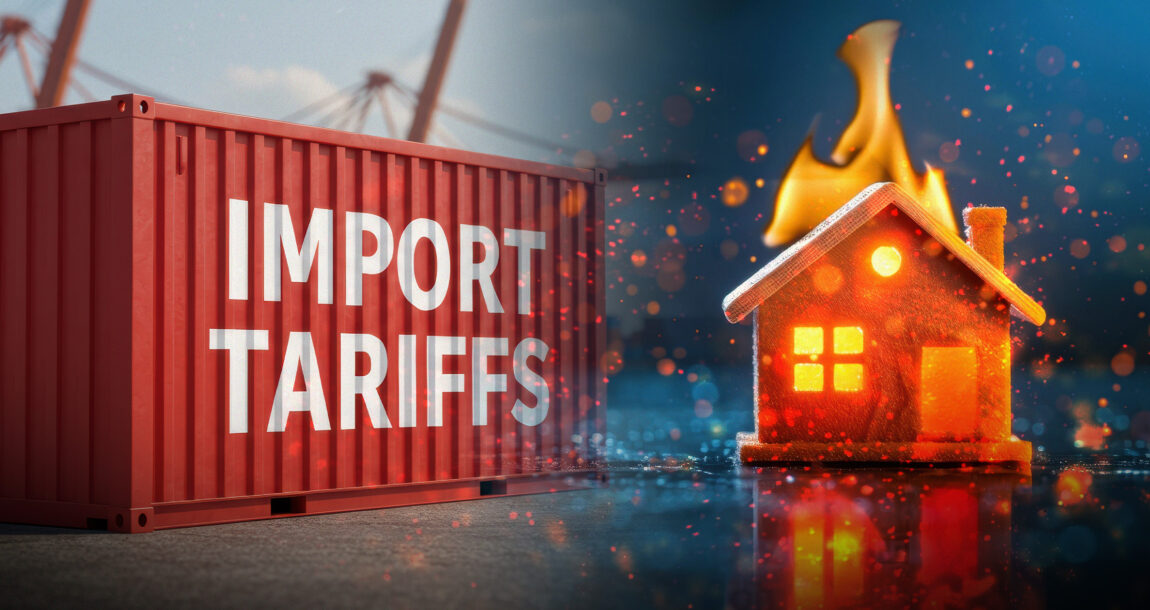
Tariffs are rewriting the math of content claims. Higher costs for consumer goods are impacting the cost of property/casualty insurers paying claims for contents of homes that are damaged or destroyed.
In the past, contents were treated as too small to matter significantly in claims severity trends. But with tariffs raising the costs of items such as clothing, electronics and appliances, contents are now a source of volatility. These costs are further compounded by the increased severity and frequency of catastrophe claims.
A white paper from Adjusto, “The Cost of Everything: What Tariffs Mean for Claims and Insurers,” described how tariffs are raising the cost of paying claims for contents.
Decades of economic research show that tariffs are overwhelmingly passed down the supply chain, the report said. Importers adjust prices, wholesalers add margins, retailers raise sticker prices and consumers ultimately bear the brunt.
This matters to claims leaders because insurance companies reimburse the consumer’s real cost of replacement. In practice, tariffs mean that the replacement price of a refrigerator, laptop or sofa after a loss is now 10%–15% higher than it was last year. These increases are layered on top of the ordinary inflation and product shortages that already exist. Tariffs do not create new categories of loss — but they amplify the severity of claims insurers already face.
“There are a lot of things that tariffs impact, like your clothing, toys, electronics, appliances, furniture – a lot of these products are imported into the United States,” Michael Balarezo, Adjusto CEO, told InsuranceNewsNet. “So there will be tariffs imposed, and it does significantly impact homeowners and their purchasing power of these products.”

Tariffs drawing attention to replacement costs
The report broke down how tariffs and supply chain issues are impacting some of the most common items in property contents claims.
- Clothing: Tariffs of 10%–35% translate into 10%–18% higher replacement costs, making this one of the largest contributors to contents severity.
- Electronics: Laptops, TVs and mobile devices now cost 7%–14% more due to tariffs and supply chain constraints.
- Furniture: Wood and upholstered furniture face 6%–13% increases, driven by freight costs and fabric imports.
- Appliances: Large appliances see 8%–15% increases, compounded by steel tariffs.
- Tools and equipment: Power tools and lawn equipment carry 6%–12% increases, reflecting both metals and batteries.
The timing gap is critical
Tariffs affect claims in two primary ways, the report said. First, they raise the cost of replacement at the point of purchase. Second, they increase the exposure to timing risk. Inventories may initially reflect pre-tariff prices, but by the time claimants purchase replacements, the actual price has risen.
For claims leaders, this timing gap is critical. Policyholders will expect reimbursement for the true cost of replacement — and that cost now includes tariffs. The longer a contents claim remains open, the greater the exposure to this upward drift in replacement prices.
Claims leaders must stay abreast of tariffs and the market, and their relationship to severity, cycle time and customer trust, the report said. Carriers must ensure that tariff-driven volatility does not erode margins or undermine policyholder satisfaction. This requires faster data, smarter technology and closer alignment with actuarial and underwriting teams. It also requires that leadership recognize tariffs for what they are: an external force directly shaping the claims environment.
Balazero said agents should pay attention to the special limits in coverage for contents in homeowners’ and renters policies.
“We’re seeing about a 17% weighted average across all consumer products in which we could see an increase in pricing,” he said. “If you’re writing policies, check any of those special limits and see whether they apply to the person you’re writing the policy for and see whether you should elevate some of those figures.”
© Entire contents copyright 2025 by InsuranceNewsNet.com Inc. All rights reserved. No part of this article may be reprinted without the expressed written consent from InsuranceNewsNet.com.



Health care in US faces ‘a triple shock’
6 client questions you must answer during AEP
Advisor News
- CT governor’s candidates claims: What’s true, and what’s misleading
- Retaining clients by giving them a memorable experience
- Addressing the longevity paradox
- Employers shift focus from retirement access to financial outcomes
- Helping widowed clients navigate their new financial reality
More Advisor NewsAnnuity News
- Foresters Financial appoints Tom Ross as chief distribution officer for U.S. annuity sales
- Symetra and TIAA Announce Launch of Mariner Re
- Jackson Launches Suite of Fixed Index Annuities Focused on Accumulation
- Farm Bureau P&C insurers post first underwriting gain since 2021
- Legacy Marketing, Malibu Life launch two fixed indexed annuities
More Annuity NewsHealth/Employee Benefits News
- Study: Colorado's Medicaid covers more services than private insurance
- Healthcare affordability and access could shape Congress’ post-midterm priorities
- The percentage of people without health insurance is growing
- Shopping for ACA plan this year? Here’s what you need to know
- 10 things to know about open enrollment for 2027
More Health/Employee Benefits NewsLife Insurance News