

It’s the most accident-prone time of the year
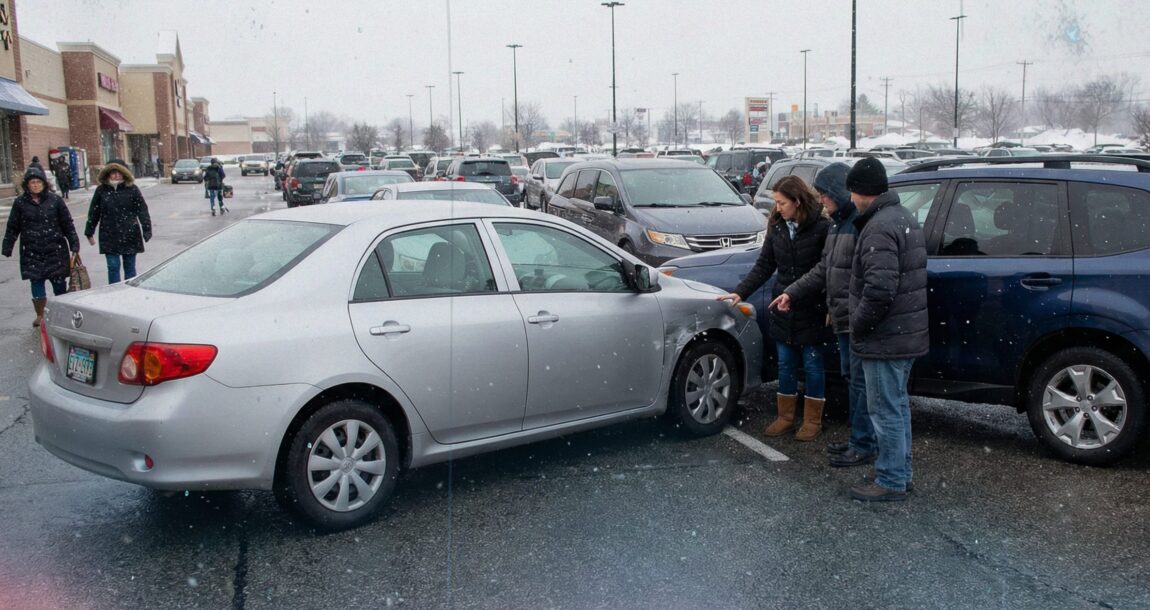
The holiday season has an unmistakable impact on driving patterns and destinations. While winter weather and long road trips typically steal the spotlight, claims data clearly show that everyday holiday errands present some of the most significant and often underestimated auto risks.

This year, more than half of shoppers said they plan to do their holiday shopping in person. They are drawn by hands-on experiences, in-store promotions and the atmosphere that comes with the season. However, that shift has real consequences on the road.
As December winds down, short, errand-driven trips become more frequent. Drivers are navigating crowded shopping centers, tighter parking lots and heavier pedestrian traffic, often multiple times a day. According to Plymouth Rock Assurance, auto claims increase by 20%–30% in the week before Christmas. This represents the largest increase in claim volume all year, a pattern that has remained consistent since 2022. For agents, December highlights how small shifts in drivers’ routines — such as more errands and tighter schedules — can amplify everyday risks in unexpected ways.
Parking lots: A familiar holiday problem
During the week before Christmas, parking lot collisions increase by roughly 18%, according to Plymouth Rock data, accounting for a meaningful share of holiday-related claims.
Overcrowded retail centers, narrow lanes, vehicles backing out simultaneously and distracted pedestrians all increase the likelihood of an incident. Because parking lots often operate under shared right-of-way rules, determining fault can be challenging, especially when there are no witnesses or clear documentation.
Low-speed accidents, high repair costs
Modern vehicle design has changed the economics of even minor crashes. Sensors, cameras and driver-assistance systems are frequently housed in bumpers and side panels, making low-speed impacts far more expensive to repair than they once were. One study found that vehicles equipped with advanced safety features can cost up to 38% more to repair after a crash due to replacement and recalibration needs.

As a result, a simple fender bender during a holiday shopping run can easily exceed a driver’s deductible. When fault is assigned during an accident, it can also affect future premiums, often catching policyholders off guard.
This is where proactive conversations between agents and policyholders become crucial. Clearly communicating what is covered under collision insurance, how liability is determined, and whether optional coverages such as rental reimbursement are included helps drivers feel more informed and better prepared.
Regional density increases exposure
The risk associated with driving during the holiday season is not evenly distributed. States that have busy retail areas, older roads, and unpredictable weather tend to experience bigger spikes in claims during the holiday season.
Across Northeast states like Massachusetts and New Jersey, shopping centers built decades ago for lower traffic volumes often leave little room for error during peak holiday weeks. Combined with modern repair costs, congestion in these areas only intensifies December loss trends.
Understanding these regional factors can give agents a leg up and help better explain coverage recommendations, especially following a holiday-related claim.
What agents can reinforce during peak accident season
Holiday driving underscores an important reality. Risk does not only come from severe weather or major accidents – it often stems from routine behaviors that drivers do not view as risky.
This time of year presents the perfect time for agents to encourage customers to:
- Review deductibles and how they apply to common collision claims
- Confirm coverage for rental vehicles and temporary transportation
- Document accidents thoroughly, even when damage appears minimal
- Understand how collision claims can affect premiums
These conversations are especially important during year-end renewals, as customers are reassessing their coverage needs.
Holiday claims trends are not anomalies, they reflect predictable patterns driven by heavier traffic, altered driving behaviors during the holidays, and seasonal weather conditions. Helping customers understand this reality can prevent minor incidents from becoming lasting frustrations long after the holidays are over.
© Entire contents copyright 2025 by InsuranceNewsNet.com Inc. All rights reserved. No part of this article may be reprinted without the expressed written consent from InsuranceNewsNet.com.


AI adoption may rely on overcoming misconceptions, Equisoft exec says
Private placement securities continue to be attractive to insurers
Advisor News
- What advisors must know about accessible client documents
- Your client texted. Now what? The compliance rules advisors better know
- Helping small-business owners build, grow and exit
- Help women break through their retirement roadblocks
- Advisors await SEC decision on Vanguard fair fund distribution
More Advisor NewsAnnuity News
- STATE AUDITOR JAMES BROWN KICKS OFF NATIONAL LIFE INSURANCE AWARENESS MONTH BY CONNECTING MONTANANS TO POLICY LOCATOR TOOL
- Wink: Annuity sales post strong Q2, led by MYGAs and structured products
- Legacy Marketing Group partners with Malibu Life USA for annuity launch
- Best’s Market Segment Report: Global Life/Annuity Reinsurers Remained Poised for Steady Growth
- When technology becomes easy to rent, what still separates life and annuity carriers?
More Annuity NewsHealth/Employee Benefits News
Life Insurance News