

Concerns grow over prolonged federal shutdown
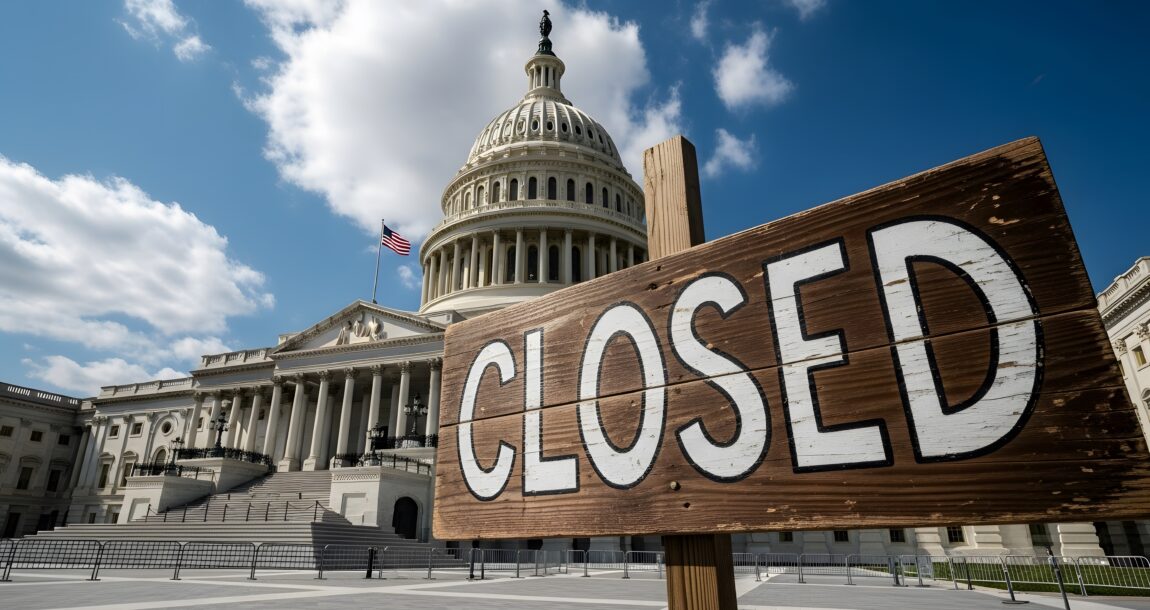
As the federal government shutdown continues, millions of Americans are growing more concerned about its long-term impacts.

Many federal workers, including active-duty military members, were preparing to miss their first paycheck but President Donald Trump said the administration has identified funds to pay them. Meanwhile, furloughed federal workers are getting mixed messaging about whether they’ll receive back pay for the time they've missed. Recipients of federal safety net programs such as Medicaid and Social Security have also worried about what this shutdown means for them. Medicaid, Social Security and SNAP are all funded through mandatory spending, which means coverage and payments will continue as scheduled.
Although this isn’t the longest shutdown we’ve experienced at this point, there is no immediate end in sight. What are the economic impacts of a long-term shutdown and what can federal workers do to fill in the gaps?
The last federal government shutdown, which began in December 2018 during Trump’s first term, marked the longest in our nation’s history, lasting a total of 35 days. During that time, the U.S. Congressional Budget Office estimated the U.S. gross domestic product was reduced by $11 billion. Other federal agencies also took a massive hit. For example, at least 26,000 furloughed IRS employees were called back to work to help prepare for the upcoming tax season. However, 14,000 didn’t show up due to not being paid, according to a report from the Committee for a Responsible Federal Budget. Air travel was also strained, and many national parks reported a pileup of trash and damage.
Shutdown can reduce demand
Aside from a lack of staff, furloughs and delayed pay can directly reduce aggregate demand, especially in local economies that have a large portion of federal workers. Many federal agencies also choose to pull back or halt discretionary spending, which reduces the demand for goods and services from private firms.
Meanwhile, projects that require government permits, certifications or approvals will likely also be delayed. This could lead private firms to postpone investment or hiring due to increased policy risk.

A federal shutdown may also force state and local governments to absorb some cost to keep federal programs running, which could mean taking on short-term debt or pulling from reserves.
As for financial markets and credit impacts, a federal shutdown usually doesn’t affect the government’s ability to pay down debt, but it can exacerbate market volatility or slightly increase borrowing rates.
In addition to the slowdown of the economy, key data such as unemployment reports, GDP, and inflation reports such as the consumer price index may be delayed or suspended. We saw this with September’s jobs report, which was supposed to be released Oct. 3 and has yet to be released. This lack of information forces policymakers and markets to function with less information, increasing uncertainty and lowering confidence and sentiment for both businesses and consumers.
Advice for federal workers
If you’re a federal worker who’s been furloughed or working without pay, some credit unions serve federal workers. For example, the Pentagon Federal Credit Union and Navy Federal Credit Union, will usually offer zero-interest loans specifically for government workers. Furloughed workers can also apply for unemployment benefits, but those funds must be paid back once the shutdown is over.
If possible, federal workers may want to consider working part-time during this period. Tapping into the gig economy through ride-share and delivery services can give you more flexibility than a traditional job. If you choose to go the traditional route, make sure the employer understands your circumstances. While it may not sound appealing, continuing to work the second job after the shutdown ends could be a great way to build or boost emergency savings, especially if you’ve been drawing from it to make ends meet. Having an emergency fund is crucial for everyone, but especially for federal workers. This isn’t the first shutdown we’ve experienced and it likely won’t be the last.
If you’re struggling to pay your bills, don’t be afraid to communicate that to your landlord, financial institutions and any other lenders. Being as transparent as possible can go a long way and they may be able to temporarily reduce or revise your payment amount. If you’re strapped for cash, remember to always prioritize paying your rent/mortgage, transportation and any other key essentials.
With so much uncertainty and anxiety, on top of current inflation and higher costs of living, situations like this can be destabilizing. If you’re struggling financially, don’t be afraid to seek professional guidance and take advantage of community resources.
© Entire contents copyright 2025 by InsuranceNewsNet.com Inc. All rights reserved. No part of this article may be reprinted without the expressed written consent from InsuranceNewsNet.com.


3 things for consumers to know as Medicare annual open enrollment begins
Life insurers rush to take advantage of AI’s potential
Advisor News
- Could a narrower focus help grow your practice?
- U.S. debt hits $40 trillion: how to support concerned clients
- Flourish brings private-bank-like cash solution to MassMutual’s network
- Majority of Americans concerned recent market highs are unsustainable
- GLP-1 users choose between medication and retirement saving
More Advisor NewsAnnuity News
- Corebridge Financial Introduces Progressive Trigger, a First-of-Its-Kind Index Annuity Strategy Designed to Turn Missed Years into Future Opportunity
- Insurer proposes $1.1M deal to resolve CA teachers’ annuity fee lawsuit
- IMOs get frustrated with slow carrier adoption of faster technology
- New class-action lawsuit targets Delaware Life over annuity disclosures
- A client remarried: Does their annuity still fit?
More Annuity NewsHealth/Employee Benefits News
Life Insurance News