

Architecture plays a role in mitigating climate risk
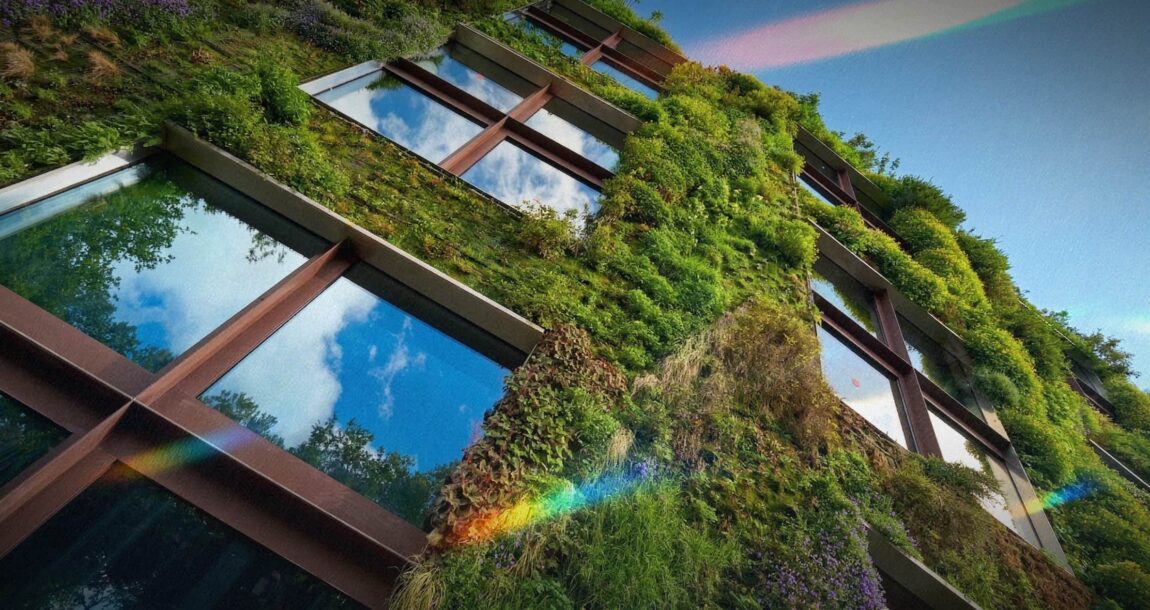
As the prevalence of extreme weather increases, global insurance markets are being stretched to the breaking point. Insurers are pulling out of wildfire-prone California, flood-prone Florida and storm-battered coastal regions around the world. Premiums are skyrocketing, entire neighborhoods are slipping into “uninsurability,” and millions of property owners are being left behind. The implications are staggering: if a building can’t withstand the realities of climate extremes, it may become increasingly difficult to protect, insure, finance or even occupy.
This crisis poses a central question: If insurability is tied directly to a building’s resilience, how must architecture evolve?
The systemic risk of climate extremes

The logic of the insurance market is straightforward: As payouts rise from increasingly frequent and severe disasters, insurers either retreat from risk zones or price coverage out of reach. But the ripple effects go far beyond financial ledgers. Uninsurability reshapes communities, leaving homeowners stranded, property values eroded and recovery from disasters deeply unequal. In Australia, one in 25 homes could be uninsurable by 2030 due to flooding threats. In the U.S., major insurers have already halted new coverage in high-risk states. This risk is immediate and already unfolding.
Architecture as active defense
The changes we face demand a new, more resilient architecture. Our buildings must be designed to face more frequent exposure to flooding, fire, tornado winds, hurricanes and other weather-related disasters.
Design must also anticipate the breakdown of energy systems. By employing passive thermal and daylighting strategies through carefully designed glazing, shading, insulation and natural ventilation, buildings can remain habitable when grids fail.
In areas vulnerable to flooding or fire, architects must harden structures with elevated foundations and ember-proof materials. They must also incorporate sacrificial zones, accepting that some components will be lost so the rest of the building may endure.

At the same time, resilience increasingly requires independence. Buildings equipped with rooftop solar, integrated battery storage and microgrid capabilities can shelter occupants and maintain critical functions even during extended blackouts. Because climate risk is not static, materials must also be engineered for disassembly and retrofit so they can be upgraded or swapped out as new threats and technologies emerge.
Regionalized resilience
Resilience also must be specific to the location. In California, wildfire-resistant façades and ember-proof glazing combined with defensible landscaping can mean the difference between a home surviving or burning. In Florida and other coastal regions, storm-rated glass, watertight envelopes and elevated foundations are becoming baseline requirements for habitable structures. In the Northeast, super-insulated envelopes and diffused daylighting can reduce winter heating loads while ensuring buildings remain functional during deep freezes or prolonged energy shortages. In desert cities, solar-responsive façades, shading strategies and glare-controlled glazing can turn dangerous heat into manageable living conditions.
Insurability as the new design standard
The convergence of insurance and architecture is unavoidable. Insurers, regulators and architects must work together to establish frameworks for evaluating resilience. A building that is not climate-adaptive will struggle to be insured, financed or sold. Resilient design is both a professional responsibility and a financial necessity.
By mid-century, resilient architecture will define our built environment. Just as modernism and sustainability shaped the last century of design, resilience will shape the next. The buildings of 2050 that endure, physically and financially, will be those designed for extremes: multi-layered, adaptive and protective.
The stakes could not be higher. Without climate-adaptive design, vast portions of our built environment risk becoming stranded assets: uninsured, uninhabitable and ultimately unlivable. With foresight, innovation and collaboration, buildings can be designed to stand the test of time while safeguarding the financial systems that underpin our communities.
In the end, resilience has become fundamental to architecture. The ability of buildings and the societies they support to endure will depend on how effectively resilience is integrated today. The buildings that stand in 2050 will be the ones designed with insurance, adaptability and climate extremes in mind.
© Entire contents copyright 2026 by InsuranceNewsNet.com Inc. All rights reserved. No part of this article may be reprinted without the expressed written consent from InsuranceNewsNet.com.


Could Colorado’s new home insurance bill catch on in other states?
Annuity income: The new 401(k) standard?
Advisor News
- CT governor’s candidates claims: What’s true, and what’s misleading
- Retaining clients by giving them a memorable experience
- Addressing the longevity paradox
- Employers shift focus from retirement access to financial outcomes
- Helping widowed clients navigate their new financial reality
More Advisor NewsAnnuity News
- Foresters Financial appoints Tom Ross as chief distribution officer for U.S. annuity sales
- Symetra and TIAA Announce Launch of Mariner Re
- Jackson Launches Suite of Fixed Index Annuities Focused on Accumulation
- Farm Bureau P&C insurers post first underwriting gain since 2021
- Legacy Marketing, Malibu Life launch two fixed indexed annuities
More Annuity NewsHealth/Employee Benefits News
- Study: Colorado's Medicaid covers more services than private insurance
- Healthcare affordability and access could shape Congress’ post-midterm priorities
- The percentage of people without health insurance is growing
- Shopping for ACA plan this year? Here’s what you need to know
- 10 things to know about open enrollment for 2027
More Health/Employee Benefits NewsLife Insurance News