

Why funeral preplanning belongs in your practice
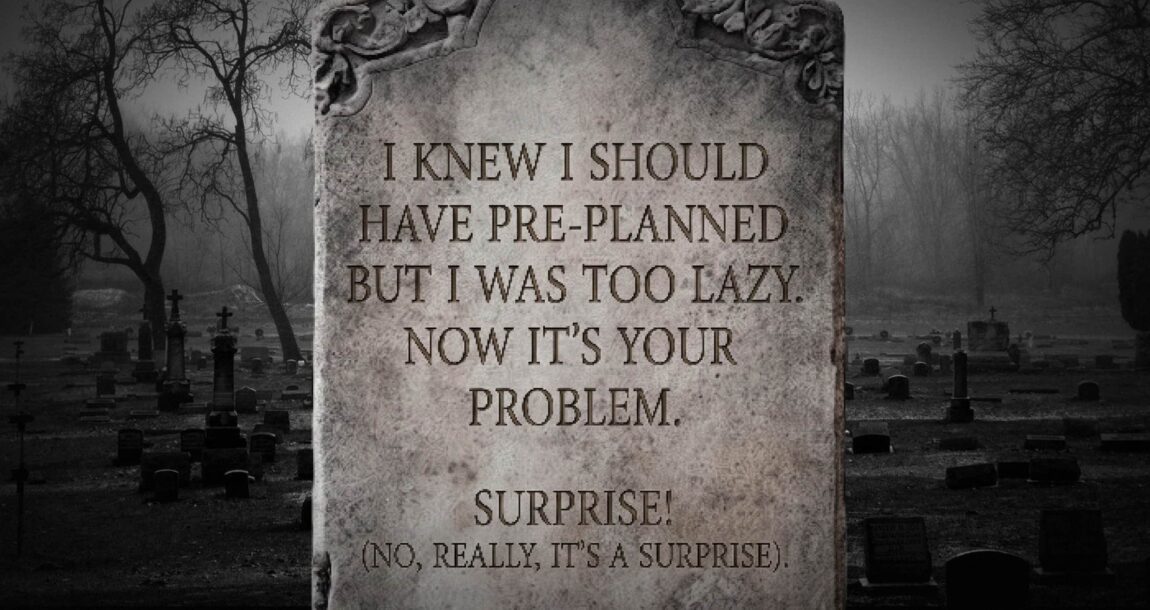
Yesterday I decided to preplan my own funeral — but I didn’t yet know where I wanted to be buried. So I called my advisors. They hadn’t guided a client through this before, but they found a point-of-sale system and used it to walk me through the process.
I’m not sharing that to be morbid. I did it because I believe in the value of this process — and going through it firsthand changed how I think about what we actually do for a living as advisors.
At its core, our job is to protect families — through life insurance, long-term care planning and making sure the right estate documents are in place. Preplanning is that same promise applied to one of the most painful days a family will ever face.
It’s more personal than you’d expect
I went in expecting a form-filling exercise: burial or cremation, check a box, sign here. Instead, I found myself thinking through things I’d never actually sat with — what music should play, who I wanted to honor with readings or a eulogy, which clergy or lay person should officiate.
Asked about some of this on the spot, all I could say was “I need some time to think about this.” That’s not a flaw — it’s the honest reaction of someone doing real work, often for the first time. A good advisor sits with that moment and follows up.
My faith shaped almost every decision — a graveside service, a simple unlined wooden casket, sitting shiva, an environmentally conscious burial.

Preplanning done well isn’t about filling in the blanks; it’s about drawing out what a client’s values actually require, then making sure those wishes are documented and funded. Small details matter too — organ donation preferences, for example, are easy to overlook unless someone is asking the right questions.
Shielding the family from the hard decisions
Grief is disorienting. Families making funeral decisions in the days after a death are often exhausted, in shock and prone to costly mistakes or lasting regret. Some estimates put the number of decisions a family must make at the time of need at more than 100 — casket and service details, financial and legal matters — all settled within days. Preplanning removes that burden before it ever lands on them.
An advisor who guides a client through this in advance stands between the people the client loves and the hardest decisions of their lives, made under the worst possible conditions.
That’s not a by-product of preplanning — it’s the whole point, and it’s a form of protection every bit as real as a death benefit.
For my own family, that protection is concrete; they know exactly who to call — my advisor, who holds the plan — and that the funds needed are available within two days without the plan being tied up in probate. That’s my family, at the worst moment of their lives, not having to wonder what happens next.
Bring the whole family in
The advisors who get the most out of this process don’t do it one-on-one; they invite the spouse and children in. A spouse or an adult child who sits in isn’t only hearing about wishes secondhand later; they’re also part of shaping them so there’s no gap for confusion or disagreement to fill later. It’s often the moment the relationship stops being with one client and becomes a relationship with the whole family.
Why this builds the relationship of a lifetime
Think about the moment a client’s family calls after a death. Whoever they call first — the person who already has the paperwork and can say “I’ve got this” — becomes indispensable to that family for a generation, often for multiple generations. Preplanning gives you a legitimate reason to be that person, and it naturally opens the door to the rest of the relationship: beneficiaries, funding, estate coordination, the next generation of clients in that same family.
The numbers back this up. In one industry study, nearly two-thirds of people who had prearranged their own funeral — 63% — had already recommended the practice to someone else or planned to. Few conversations in this business generate that kind of organic referral.
What to expect
A couple of honest notes from my own experience — this takes real time and reflection, so plan for a follow-up meeting instead of expecting to finish in one sitting. And a short note afterward — simply acknowledging how meaningful and how difficult the conversation was — goes a long way. It’s a small gesture clients remember.
The invitation
Consider offering preplanning to your clients, not as another product or checkbox but as a genuine service to them and their families. It puts you in the role families need most in their hardest moment — the person who already protected them from having to decide. That’s what this work really is. Not paperwork — protection. And it’s what makes you the person a grieving family calls first.



Smarter clients are asking better questions about IULs
Beyond the death benefit: Whole life as an asset class
Advisor News
- Flourish brings private-bank-like cash solution to MassMutual’s network
- Majority of Americans concerned recent market highs are unsustainable
- GLP-1 users choose between medication and retirement saving
- Gen X and millennials seek new retirement model
- Are families ready for the costs of aging at home?
More Advisor NewsAnnuity News
- Corebridge Financial Introduces Progressive Trigger, a First-of-Its-Kind Index Annuity Strategy Designed to Turn Missed Years into Future Opportunity
- Insurer proposes $1.1M deal to resolve CA teachers’ annuity fee lawsuit
- IMOs get frustrated with slow carrier adoption of faster technology
- New class-action lawsuit targets Delaware Life over annuity disclosures
- A client remarried: Does their annuity still fit?
More Annuity NewsHealth/Employee Benefits News
Life Insurance News