

What 70% doesn’t tell you
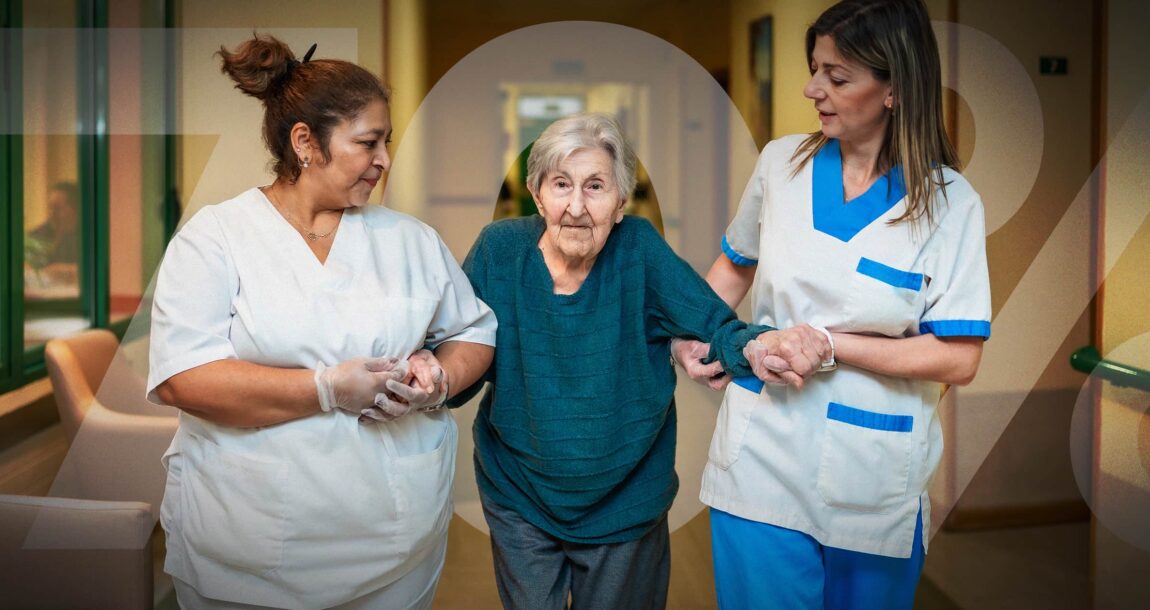
Seventy percent is a very convenient box. My profession has been putting people in it for years.

Put a few months of help from a spouse inside it. Add years of dementia care, a paid aide at home and a nursing-home stay. Close the lid, label the whole thing “long-term care,” and tell people to plan for it.
I have used the number myself. It is short, alarming and easy to put on a slide. While I wait for it to make an impression, the person across from me may be thinking, “What's he trying to sell me?”
That is a fair question. I may not even know why that person came in to talk with me. Perhaps she just watched her mother lose the ability to live alone. Perhaps he worries about becoming a burden to his children. Perhaps there is no spouse or child to call. If I lead with my number and move straight to my solution, I have skipped the person sitting in front of me.
And if that person asks, “Seventy percent of what, exactly?” I should be able to answer. A 2019 study published by the U.S. Department of Health and Human Services found that 70% of adults who survive to age 65 will develop severe long-term services and supports needs before death. In that research, severe need meant difficulty with at least two activities of daily living expected to last 90 days or more, or severe cognitive impairment, along with receiving paid or unpaid help. In the same study, 48% received some paid care.
Look at the gap between those numbers. It represents people who needed serious help and received it only from unpaid caregivers, most often family. The statistic says nothing about who those caregivers are, what the help costs them or what happens when no one is available to give it. We say “70% will need long-term care” as though we have told people what will happen to them. We have not told them who will help, how long it will last, what it will cost or what they may have to give up.

Not everyone has someone
The box also has an imaginary family packed inside it: a spouse, grown children, somebody ready to show up. Not everyone has that postcard family.
Consider two people who need help bathing and dressing for several months. One has a spouse who changes his work schedule to help her recover. The other lives alone, with no spouse at home and no adult child nearby. She has to find someone to come each morning, work out how to pay for help and decide who she trusts to act if she cannot speak for herself. The need may look identical in a study. Its effect on the person living alone could be far more severe.
The shorthand misleads in two directions. For the couple, it points to a catastrophic bill they may never receive, because the care is unpaid. But unpaid is not free. No one sends the husband an invoice, yet his help may cost him earnings, retirement contributions, health, time and independence. For the woman alone, the statistic hides the most urgent question of all: who will actually be there?
Start with the right question
The 70% pitch keeps us inside a small conversation: How likely is long-term care, and what can I buy to cover it? The real conversation is larger. What happens to your home, your money, your relationships and your control when you need help? Who can you count on, and what is the plan if the answer is no one? Those answers depend on the life you have built and the choices you want to keep.
I have run nursing homes and advised families about their finances. I have seen what happens when care decisions begin after choices have narrowed. Future Independence Planning is my name for the work before that moment: learning what matters to a person and building a plan to preserve as much choice and control as possible.
So here is my challenge to my own profession, and to myself: Retire the 70% opening line. If a client asks about it, explain what it measures. Then put the slide away.
Start with a question instead. “What brought you in today?” Then follow it with: What have you already lived through? What are you afraid of losing? Who is actually available to help, and who are we merely assuming will be there? Listen long enough to learn which choices this person is trying to protect. Only then can you help them build a plan.
Long-term care is the risk. Future Independence Planning is the work of preserving choices in the face of it. The number can wait. The person across the table shouldn’t have to.
© Entire contents copyright 2026 by InsuranceNewsNet.com Inc. All rights reserved. No part of this article may be reprinted without the expressed written consent from InsuranceNewsNet.com.



Why fewer than half of independent agents see carriers as true partners
U.S. debt hits $40 trillion: how to support concerned clients
Advisor News
- U.S. debt hits $40 trillion: how to support concerned clients
- Flourish brings private-bank-like cash solution to MassMutual’s network
- Majority of Americans concerned recent market highs are unsustainable
- GLP-1 users choose between medication and retirement saving
- Gen X and millennials seek new retirement model
More Advisor NewsAnnuity News
- Corebridge Financial Introduces Progressive Trigger, a First-of-Its-Kind Index Annuity Strategy Designed to Turn Missed Years into Future Opportunity
- Insurer proposes $1.1M deal to resolve CA teachers’ annuity fee lawsuit
- IMOs get frustrated with slow carrier adoption of faster technology
- New class-action lawsuit targets Delaware Life over annuity disclosures
- A client remarried: Does their annuity still fit?
More Annuity NewsLife Insurance News
Property and Casualty News
- Why fewer than half of independent agents see carriers as true partners
- The next act for cyber insurance
- Proposed FEMA map could make some Howard residents get flood insurance
- Police investigating after explosion damages Tacoma business
- State insurance commissioner candidates clash over how to fix the system
More Property and Casualty News