

AI, novel data sources move underwriting into the 21st century
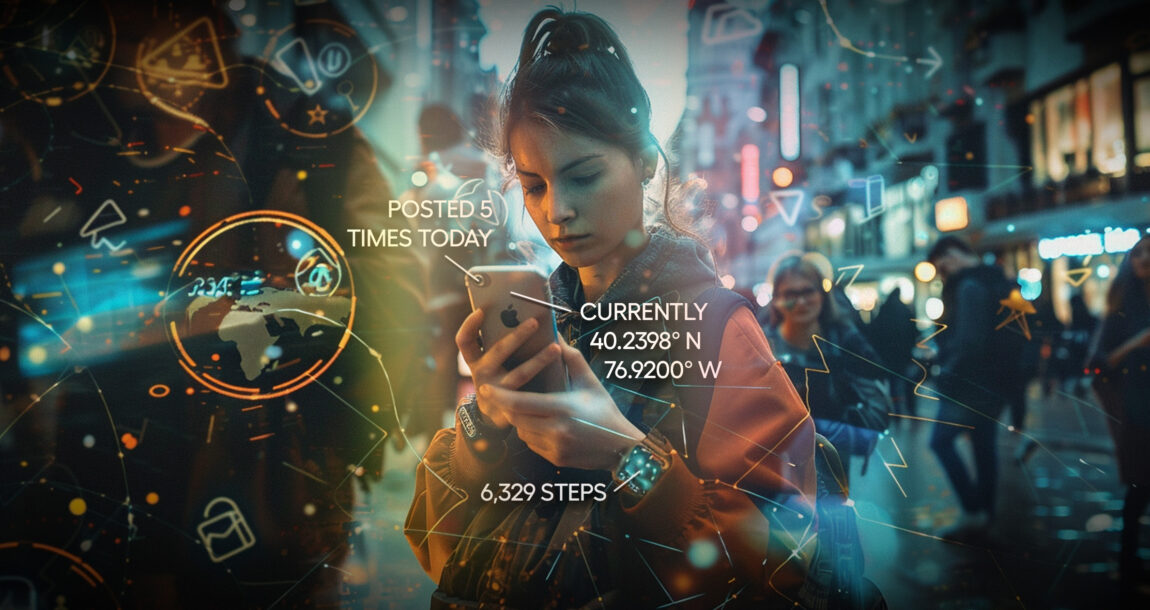
With the advent of AI, insurance carriers have begun tapping into novel data sources like social media, GPS records, smart devices and other forms of technology for their underwriting.
Cutting-edge insurtech companies are bridging the gap between technology and insurance through the use of AI, predictive analysis and other technology tools.
“We are seeing the ingestion of these novel data sources enhance or make risk analysis more robust for underwriters to be able to make their decisions,” Franklin Manchester, principal global insurance advisor at AI and data management firm SAS, said.
At the same time, he emphasized the need for it to work alongside human oversight if insurtech underwriting is to achieve its full potential.
Four data sources being used in underwriting
Some of the most notable new data sources underwriters are increasingly using in the United States include:
1. Telematics
2. Aerial imagery
3. IoT devices
4. Social media

Darcy Rittinger, chief risk officer at global insurtech provider Cover Genius, said insurance carriers are still looking at traditional underwriting parameters such as age and health, but in smarter ways thanks to alternative data sources.
“By accessing this enhanced data and utilizing AI, insurtechs can create more tailored products and better risk models [and] streamline the underwriting processes,” she said.
Telematics gaining traction in auto insurance
An increasing number of auto insurance companies in the United States are using telematics technology to track specific driving behaviors like hard braking, severe maneuvers, nighttime driving and even distracted driving.
“Telematics measures actual behavior and not proxies for behavior that we've seen in the past, like credit scores or insurance scores that closely model credit, which has been shown to introduce bias into the rating algorithms,” Manchester said.
He believes underwriting using telematics provides more of an accurate risk assessment and noted that most tier-one carriers are already using it.
“They will offer you a discount upfront just to participate in the program,” he noted. “I myself have a 40% discount on my auto policy because of telematics. So, yeah, it's really cool.”
Drone footage informs home insurance risks
In home insurance, aerial imagery from satellites and drones provides underwriters with thorough, detailed views of houses or other properties. This helps them accurately and effectively make risk acceptance decisions.
“Not just a picture of a rooftop or a home, but also infrared data as well,” Manchester said. “We can use this type of novel data to assess a risk as if we put human eyes on it.”
It’s developed to the point where new companies are now emerging that specialize in providing aerial imagery and related software services to P&C insurtech carriers.
IoT devices can help assess longevity
For consumers, everyday personal devices allow underwriters to access behavioral data and develop new patterns and risk models. Rittinger pointed out that this could be anything from a smartphone to smart home technology and other connected devices.
For example, a health or life insurance carrier could look at the heart rates, sleep patterns and overall activity levels from a client’s fitness tracker device to garner a more accurate idea of their health.
Gregg Barrett, CEO of P&C insurance software and solutions provider Waterstreet, said the “shift towards using data from wearables and other tech is a win-win.” However, he cautioned underwriters to pay attention to possible margins of error with faulty devices or inaccurate tracking.
Scanning social media
Some insurance companies are also using social media pages or search history as a new data source in their underwriting, granted they have the customer’s approval.
For Manchester, who is an underwriter by trade, social media “can be informative in certain contexts” but can create too many opportunities for information to be misconstrued or misinterpreted.
“Anything that we put on social media is kind of out there forever, and risks change,” he said. “So, when we start really kind of diving into social scoring, social networking, information that's available online, you have to be really careful.”
Ethics and use concerns
Privacy, data, social responsibility and built-in bias are some of the biggest challenges experts said can come with using novel data sources in underwriting.
“It's a delicate balance. Insurtechs are pushing the envelope in terms of technology, but there's also this heightened sense of responsibility around privacy and data security,” Barrett said.
“I would love to see insurers start engaging in a principled approach to data ethics by the establishment of a code of data ethics that is the underpinning of how they use AI,” Manchester said.
“The more powerful your AI tools become, the more your data needs will evolve, not just in the amount of data you have but also in the processing that needs to happen.”
SAS is an AI, data management and analytics organization founded in 1966 at North Carolina State University.
Cover Genius, founded in 2014, offers tech-powered insurance solutions and software around the globe.
The Waterstreet Company, founded in 2000, provides P&C software and support services.



How is P&C insurance benefitting from generative AI?
Greg Lindberg ponders appeal as policyholders await June funds release
Advisor News
- Flourish brings private-bank-like cash solution to MassMutual’s network
- Majority of Americans concerned recent market highs are unsustainable
- GLP-1 users choose between medication and retirement saving
- Gen X and millennials seek new retirement model
- Are families ready for the costs of aging at home?
More Advisor NewsAnnuity News
- Corebridge Financial Introduces Progressive Trigger, a First-of-Its-Kind Index Annuity Strategy Designed to Turn Missed Years into Future Opportunity
- Insurer proposes $1.1M deal to resolve CA teachers’ annuity fee lawsuit
- IMOs get frustrated with slow carrier adoption of faster technology
- New class-action lawsuit targets Delaware Life over annuity disclosures
- A client remarried: Does their annuity still fit?
More Annuity NewsHealth/Employee Benefits News
Life Insurance News