

5 steps insurers must take to rebuild trust after natural disasters
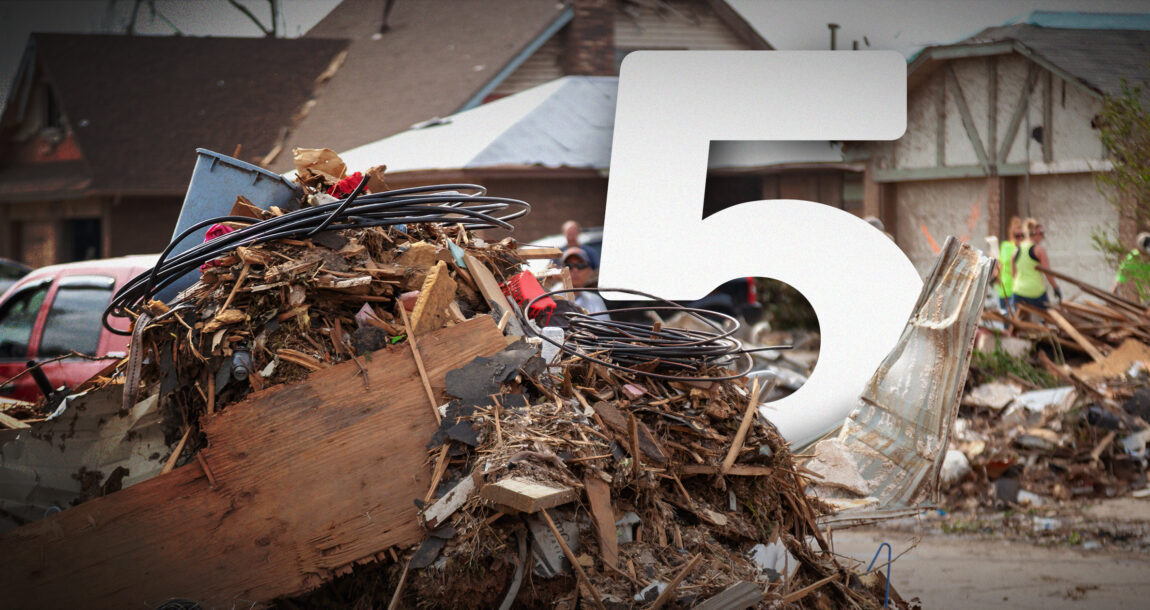
Wildfires battered California earlier this year, destroying 57,000 acres of land and burning 16,000 homes and businesses. In 2024, hurricanes devastated areas on the East Coast that had not been considered high risk previously. As homeowners and businesses began the long road to recovery, many have realized that they do not have enough insurance coverage to enable them to rebuild, leaving policyholders feeling isolated, frustrated and unsupported by the companies they trusted to protect them.

Insurers have always had to deal with catastrophe losses, but the frequency and severity of those catastrophes have increased – and, as in the case of Hurricane Helene, they are often occurring in places that have not experienced them before. Although insurers can’t prevent natural disasters, they can control how they engage with customers before, during and after. Here are five key steps insurers should take to rebuild trust in the industry and strengthen brand loyalty.
- Provide clear explanations of coverages
It is critical to provide easy-to-understand explanations of what policies cover and what they don’t. Many policyholders discover gaps in their protection only after they have filed a claim. Clear communication during policy purchase and at renewal ensures customers make informed choices and aren't caught off guard when they need support the most.
Insurers can improve clarity by simplifying language, avoiding jargon and offering side-by-side comparisons of coverage options. These types of actions show that the insurer values transparency and is invested in the customer’s understanding.
- Offer risk mitigation advice
Do not wait until a policyholder has a loss to start customer conversations. Insurers that reach out with critical information before natural disasters hit, such as the early weeks of hurricane season along the Atlantic seaboard, reinforce their position as trusted advisors to their customers. Sharing seasonal checklists with advice such as securing loose outdoor items, reinforcing windows or creating evacuation plans adds value and reduces claim severity.
Proactively delivering tips and best practices via email, mobile apps or even text messages can minimize damage and strengthen the customer-insurer relationship. The insurer then becomes a partner in prevention – not simply a claims processor.

- Prioritize digital access and real-time updates
Because evacuation orders and widespread power outages are common during hurricanes and other large-scale disasters, traditional updates via mail or phone are often unreliable. Offering policyholders fast, mobile-friendly access to their coverage documents is no longer optional; it’s essential.
Push notifications, text alerts and mobile app access can serve as vital lifelines, providing real-time updates and easy access to crucial information. By meeting customers where they are (on their phones and tablets), insurers can keep critical communications flowing even in chaotic situations.
- Maintain consistent, transparent communication during claims
In the claims process, insurers have the greatest opportunity to win lasting loyalty or lose it entirely. After a catastrophe, customers are often overwhelmed, displaced and anxious for help.
Frequent, clear updates on claim status, timelines and next steps help manage expectations and ease anxiety. Even simple acknowledgments, such as confirming receipt of a claim or providing estimated resolution windows, can dramatically improve customer experience.
Beyond better service, this level of communication reduces inbound inquiries, streamlines operations and shortens claims cycles. In times of crisis, reliable communication isn’t just good business, it’s a vital bridge to trust.
- Build preparedness into routine communications
Every billing reminder, renewal notice or seasonal greeting is an opportunity to help customers refresh. Simple additions such as safety checklists, links to review or update policies, or reminders to verify contact details can make a big difference in readiness.
These small, proactive touches reinforce the insurer's role as a helpful resource and protective partner. Building readiness into everyday customer communications ensures preparedness becomes second nature, reducing panic when a real threat looms.
Insurers can create trust by building preparedness and clarity in their customer communications. When disaster strikes, that trust is invaluable to ensuring customers feel cared for.
© Entire contents copyright 2025 by InsuranceNewsNet.com Inc. All rights reserved. No part of this article may be reprinted without the expressed written consent from InsuranceNewsNet.com.


What’s next for ACA exchanges after Aetna departure?
6 steps to successful IUL sales
Advisor News
- The first 5 years of your career could determine the next 50
- Your client’s $3 million portfolio doesn’t tell you their insurance needs
- How life insurance can provide liquidity for wealthy families
- Retirement providers turn to digital engagement to retain assets
- Looking out for clients with diminished mental capacity
More Advisor NewsAnnuity News
- What lower interest rates mean to annuity payouts
- AM Best downgrades A-Cap insurers amid financial and regulatory troubles
- Lawsuit claims Delaware Life hid billions in insurer-linked investments
- AM Best to Deliver Presentation at 2026 ACLI Annual Conference
- Global Atlantic Announces Launch of ForeLifetime Income, a New Fixed Index Annuity
More Annuity NewsHealth/Employee Benefits News
Life Insurance News