

Bridging the gap between online research and human guidance
Under increasing pressure to adopt artificial intelligence, many insurers rely on chatbots and other AI agents to serve potential and existing customers. This is seen not only as a cost-saving, time-saving investment, but also as a response to growing public demand.

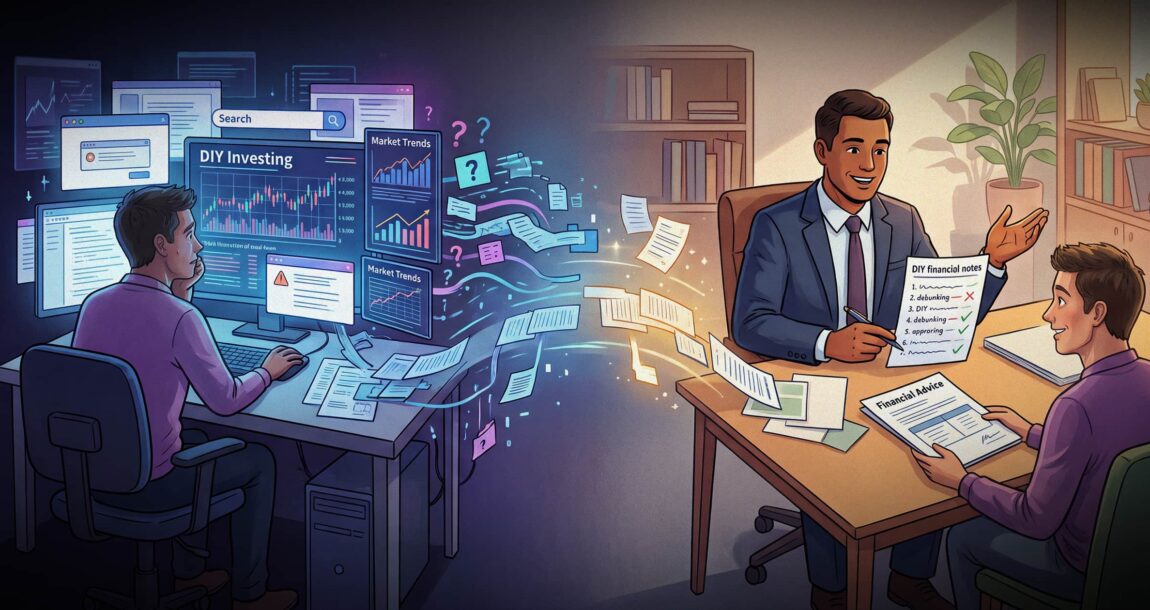
AI has claimed a key space between customers’ online insurance research and customer support. For insurers hoping to gain and maintain market share and protect their reputation, this replacement for human guidance can be detrimental.
The limitations of online research
The internet has put significant power in consumers’ hands. The public wields that power in numerous ways, whether to verify an insurance carrier's reputation, confirm forms of producer compensation or identify potential conflicts of interest that don’t serve their coverage needs. These are powerful ways to narrow down options, and, for the most part, they can benefit consumers, true fiduciaries and reputable insurance companies that deserve praise for their services.
But online research doesn’t take consumers as far as they need to go, and it doesn’t move potential customers through the sales funnel the way insurance companies need. Modern consumers shop differently than legacy distribution models originating with carriers and general agents. Online research can help consumers narrow down which companies may not suit their needs, or where to buy, through a tedious process of elimination. But after that, customers are left hanging.
It’s true that consumers often begin the insurance-buying process online, and that’s fine. But at some point, for the benefit of both the industry and the consumer, advisors are still needed to support policy interpretation, risk assessment, coverage customization and long-term financial planning. As advanced as AI may be at aggregating and summarizing information or assembling a plausible recommendation, a competent professional should still help make the final decision.
How advisors can bridge the gap
This is where the best insurance advisors make a real contribution to consumers. They recognize that online research is only a starting point, not a roadmap for what comes next.

Chatbots to support, not replace advisors
Look online, and you’ll see thousands of complaints related to chatbots. Companies mistakenly use them to meet every customer’s need, and it just doesn't work. First, chatbots typically box customers in, giving them a short list of options. That’s incredibly frustrating for an existing or prospective insurance customer with a very specific need. Not every customer visiting an insurance site has a question about a new policy, coverage limits, or how to make a payment.
While minimizing engagement with a human on simpler asks has advantages, including freeing up humans to handle more complex items, carriers and distributors must identify how to bridge chatbot engagement with advisor engagement. These are important decisions, and ensuring they don’t rest on an AI hallucination is paramount to everyone’s financial security.
Tailored plans
Insurance is not a one-size-fits-all product. People have different insurance needs, and they need human support from licensed agents to configure unique plans and ensure proper coverage. Whether your agency sells life insurance, home, auto, disability insurance or something else, you need a system to offer tailored plans that are as unique to your customers as they are to each other.
This is where human guidance comes in, because customers usually don’t even know what they need. How could they? They don’t know what’s available. Your licensed agents do know what’s available. So it’s not all about signing a new customer. It’s about making sure new customers get the insurance coverage they need.
Respect the customer
Customers who feel seen and heard are far more likely to stay loyal to an insurance company and leave positive online reviews than those who feel like they’re being whisked along a conveyor belt, at the end of which they’re expected to pay for the privilege.
Listen to your customers. Make sure you understand where they’re coming from. Coverage recommendations depend on more than income and age. Health history, family obligations, business debt, and future goals all shape what a policy should accomplish. An advisor who asks the right questions can uncover risks a client hasn’t considered, such as a disability that could make future coverage harder to obtain or a beneficiary designation that no longer matches current wishes after a divorce or a new child. That’s respect for each situation.
Customers will always research insurance companies online before making direct contact. But when they do, be ready with human guidance, tailored plans and respect for the customer.
© Entire contents copyright 2026 by InsuranceNewsNet.com Inc. All rights reserved. No part of this article may be reprinted without the expressed written consent from InsuranceNewsNet.com



What to discuss during the first retirement planning meeting
Advisor News
- What to discuss during the first retirement planning meeting
- Inflation, competing priorities and uncertainty erode retirement security
- As health premiums rise, 1 in 8 workers cut retirement savings
- CT governor’s candidates claims: What’s true, and what’s misleading
- Retaining clients by giving them a memorable experience
More Advisor NewsAnnuity News
- National Life Group expands annuity portfolio
- AM Best to Join Life/Annuity Insurance-Focused Panel Discussion at Capitol Forum Event
- USAA Earns No. 1 Ranking in JD Power Individual Annuity Study for the Third Consecutive Year
- How flexible annuities fit today’s retirement portfolios
- Foresters Financial appoints Tom Ross as chief distribution officer for U.S. annuity sales
More Annuity NewsHealth/Employee Benefits News
- Illinois seniors face fewer Medicare Advantage choices this open enrollment season
- The real cost of a car accident: Medical bills and what's covered
- MDHS
- The real cost of a car accident: Medical bills and what's covered
- Health insurance costs rising leaving families with tough choice
More Health/Employee Benefits NewsLife Insurance News