

Cigna seeks dismissal of drug kickback lawsuit filed in Illinois
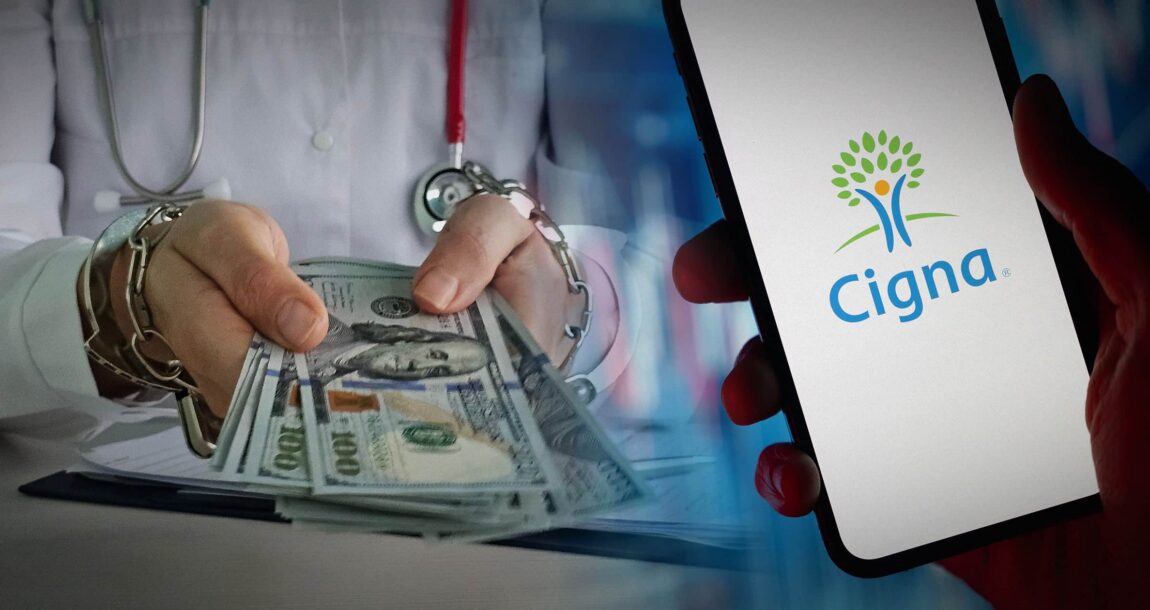
Cigna and its pharmacy benefit manager, Express Scripts, urged a federal court this week to dismiss a lawsuit accusing them of orchestrating a sweeping racketeering scheme with major drug manufacturers.
In its motion to dismiss, Cigna attorneys called the case an implausible attempt to turn a contract dispute into a civil RICO action.
Defendants argued that the plaintiff -- the Chicago-based Plumbers’ Welfare Fund -- failed to plausibly allege that the companies engaged in a conspiracy to rig drug formularies or inflate prescription drug costs.
“Plaintiff asks this Court to find plausible that fourteen of the largest pharmaceutical manufacturers in the world independently and secretly decided to enter into separate criminal enterprises with Defendants to rig drug formularies,” the motion memorandum reads. “Plaintiff’s theory is not plausible on its face.”
The complaint, filed in February in U.S. District Court for the Northern District of Illinois, alleges the companies manipulated drug formularies and funneled payments through a Switzerland-based affiliate, Ascent Health Services, to avoid sharing rebate revenue with pharmacy benefit management customers.
Express Scripts describes itself as the largest pharmacy benefit manager in the United States, negotiating drug prices and managing formularies — lists of medications covered under prescription plans — on behalf of employers, unions and other health plans. Each year, its customers pay billions of dollars for those services.

'Plaintiff received every dollar'
The defendants rejected those claims, arguing that the theory relies on an unlikely and unsupported assertion that numerous global drugmakers independently entered into secret criminal enterprises without detection by regulators.
“Strip away the racketeering label, and what remains is a contract dispute in which Plaintiff received every dollar it was owed under the contract,” the memo states.
Express Scripts claimed that its contracts explicitly disclose that it negotiates rebates on its own behalf and passes those savings along to clients under agreed terms.
The plaintiff does not allege that Express Scripts failed to pay required rebates or fees under the contract, the motion says. Instead, it argues that formulary decisions led to higher drug costs "because Express Scripts favored higher-cost brand-name drugs over cheaper alternatives."
The plaintiff alleges that Express Scripts selects costlier drugs in order to secure higher drug manufacturer fees for Ascent. But defendants say that claim is undermined by the contract itself, which gives clients final authority over which drugs are included on their formularies.
“Plaintiff, not Express Scripts, selects its formulary,” the memo states.
Cigna: No legal foundation
The defendants also challenged the legal foundation of the racketeering claims, arguing the complaint fails to establish the required elements of a civil RICO case. They contend the alleged “enterprises” are not distinct entities, but rather a litigation construct, and that the complaint describes a single scheme and injury instead of a pattern of racketeering activity.
In addition, the motion argues that the plaintiff lacks standing to pursue claims based on alleged overpayments by its members and fails to meet the heightened pleading standards required for fraud allegations.
The lawsuit also includes claims for breach of contract, breach of the implied covenant of good faith and fair dealing, and unjust enrichment. Defendants argue those claims should be dismissed as well, saying the contract governs the parties’ relationship and contradicts the plaintiff’s allegations.
Earlier this year, Cigna reached an agreement with the Federal Trade Commission to resolve allegations that Express Scripts inflated insulin prices through anti-competitive rebate tactics. Cigna agreed to eliminate spread pricing, move Ascent Health to the U.S., and lower patient costs by linking out-of-pocket expenses to net prices rather than list prices by 2027.
Cigna CEO David M. Cordani hailed the agreement as one that will bring stability to the insurer and lower prices for consumers.
"The beneficiary of the settlement is our customers and patients," he said. "The settlement noted $7 billion in out-of-pocket cost relief over the next 10 years for the 100 million customers and patients we serve. The savings will be delivered through lower insulin prices and reduced costs for branded medications for consumers at the pharmacy counter."
© Entire contents copyright 2026 by InsuranceNewsNet.com Inc. All rights reserved. No part of this article may be reprinted without the expressed written consent from InsuranceNewsNet.com.


Government seeks dismissal of Dean Vagnozzi’s lawsuit against SEC
Health-related risks can disrupt a client’s retirement
Advisor News
- Flourish brings private-bank-like cash solution to MassMutual’s network
- Majority of Americans concerned recent market highs are unsustainable
- GLP-1 users choose between medication and retirement saving
- Gen X and millennials seek new retirement model
- Are families ready for the costs of aging at home?
More Advisor NewsAnnuity News
- New class-action lawsuit targets Delaware Life over annuity disclosures
- A client remarried: Does their annuity still fit?
- Gen X and millennials seek new retirement model
- Global Atlantic names Dan Farrelly head of IMO and IBD channels
- A rising retirement challenge: The license to spend
More Annuity NewsHealth/Employee Benefits News
Life Insurance News