

A record-quiet hurricane season: what it means for property insurance
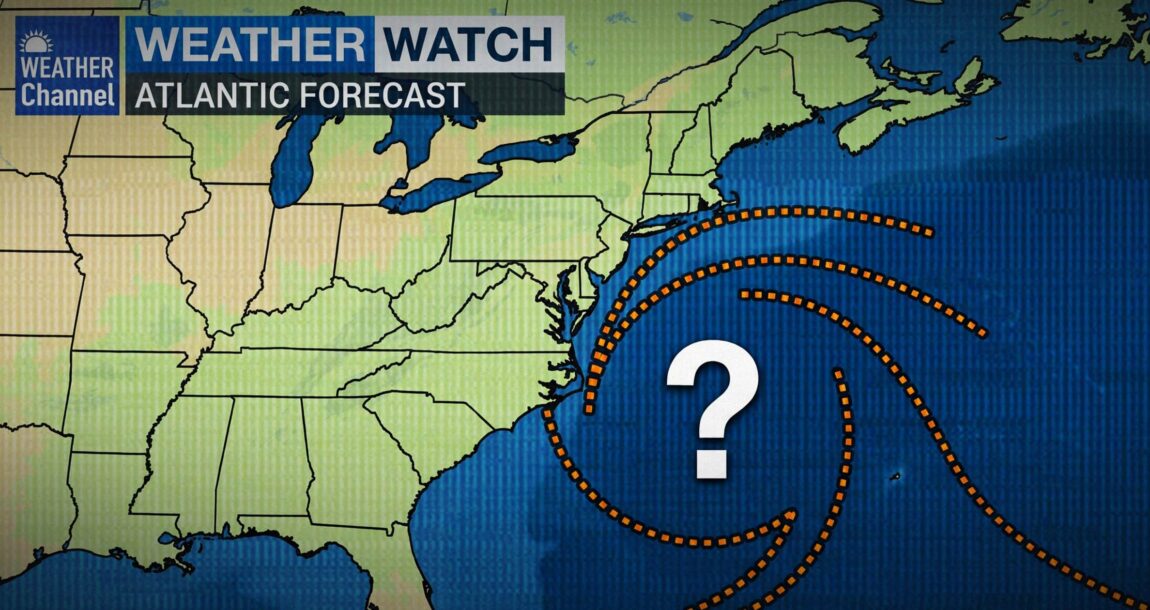
The 2026 Atlantic hurricane season has been unusually quiet, and El Niño may be partly to blame. This weather pattern, characterized by warmer ocean conditions in the central and eastern Pacific, can make it more difficult for hurricanes to form.
As of Sept. 28, there were eight recorded storms, but none turned into hurricanes, breaking a record set in 1941.
“A quiet start to the Atlantic hurricane season is certainly welcome, but it doesn't mean the risk has passed,” said Duane Heard, division revenue leader at World Insurance Associates.
The National Oceanic and Atmospheric Administration (NOAA) cautions that its seasonal outlook is not a landfall forecast or a prediction of hurricane activity for any particular location.
“As we know, even a quiet ‘season’ can still result in severe storm damage and claims, such as the Nor’easter that just hit parts of the east coast,” said Nicholas Insua, partner in the Insurance Recovery Group at Reed Smith.
For homeowners and their advisors, a quiet season can provide an opportunity to review coverage, evaluate deductibles, and make property improvements before a storm threatens.

Why hurricane risk remains
From an insurance market perspective, lower hurricane activity may reduce catastrophe losses and improve insurer financial performance. It could also reduce pressure on reinsurance markets if losses remain below expectations.
However, homeowners should understand that an El Niño pattern does not completely eliminate hurricane risk. Even in a quieter season, one major storm can cause significant property damage.
For this reason, it’s important for advisors to step in and encourage homeowners to focus less on seasonal forecasts and more on their individual exposure.
Questions such as "Could I rebuild my home?" and "Can I absorb a hurricane deductible?" are more important than the fact that weather forecasters expect an active or inactive season.
At the end of the day, climate patterns may influence overall storm numbers, but they do not eliminate the possibility of a major loss for any individual homeowner.
Coverage gaps to consider
Now is the time to look for coverage gaps, especially for clients in hurricane-prone areas.
First, confirm whether hurricane wind damage is covered under a client’s homeowner's policy, if a separate deductible applies, and its dollar amount.
“Many homeowners are surprised to learn that hurricane deductibles are often percentage-based rather than a fixed dollar amount and find them difficult to afford,” Heard said.
Flood coverage is another common gap. Standard homeowners insurance policies generally exclude flooding caused by rising water, storm surge, or overflowing waterways.
Clients should understand whether they have a flood policy, their flood limits for both structure and contents, applicable waiting periods, and whether the coverage is sufficient to rebuild their home and replace their belongings.
“Even homes outside designated flood zones can experience significant flood losses during tropical weather events,” Heard explained.
Ordinance or law coverage is also key.
After a major storm, rebuilding often requires compliance with updated building codes.
“Without adequate ordinance or law coverage, homeowners could face substantial out-of-pocket expenses,” Heard said.
Lastly, sewer and drain coverage is often overlooked. Heavy rainfall associated with tropical systems can create water backup losses that make it useful.
“The biggest surprises after hurricanes often involve flood exclusions, large hurricane deductibles, and inadequate rebuilding limits,” Heard said.
Insua warned that policies will often limit or exclude coverage for the same or similar risks, but use different language or different methods.
“For example, the policy might have a ‘water’ exclusion that includes flood. Another might have a flood exclusion,” Insua said.
Ultimately, these differences make it important for advisors to look beyond the headline coverage and understand exactly how each policy defines and applies its terms.
© Entire contents copyright 2026 by InsuranceNewsNet.com Inc. All rights reserved. No part of this article may be reprinted without the expressed written consent from InsuranceNewsNet.com.



What brokers should look for in changing benefits technology
Experts say data is golden, but only if insurers know how to leverage it
Advisor News
- Gen X and millennials seek new retirement model
- Are families ready for the costs of aging at home?
- When a client moves, their insurance plan needs to move, too
- A rising retirement challenge: The license to spend
- Financial stress leaves less room for retirement saving
More Advisor NewsAnnuity News
- Gen X and millennials seek new retirement model
- Global Atlantic names Dan Farrelly head of IMO and IBD channels
- A rising retirement challenge: The license to spend
- What lower interest rates mean to annuity payouts
- AM Best downgrades A-Cap insurers amid financial and regulatory troubles
More Annuity NewsHealth/Employee Benefits News
Life Insurance News