

Biden Doubling Down On Tax-The-Rich Budget Strategy
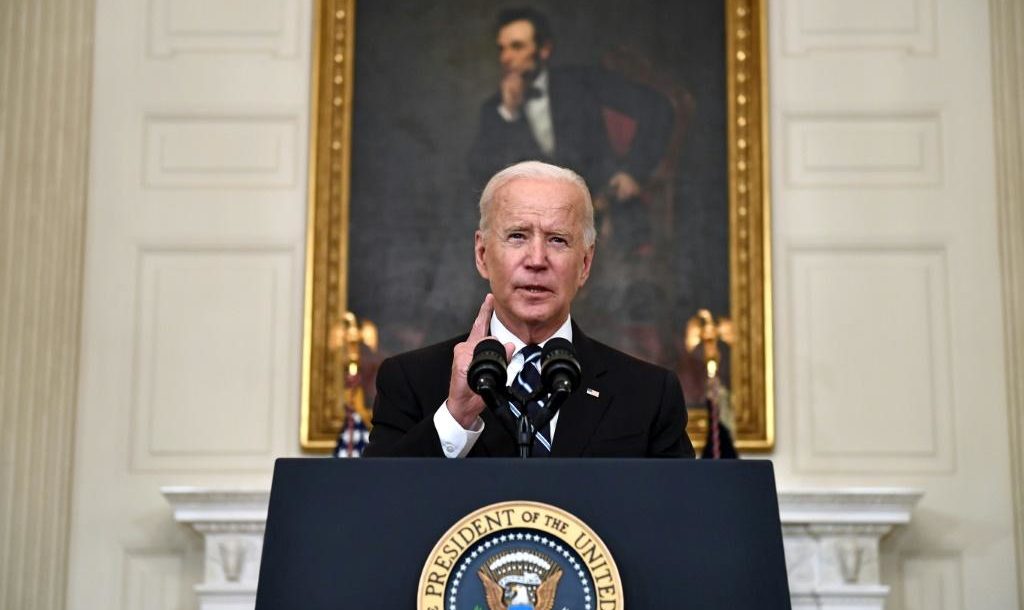
WASHINGTON — President Biden is leaning into his push to increase taxes on the rich as he seeks to unify Democrats in the House and Senate behind a $3.5 trillion bill that would expand federal efforts to fight climate change, reduce the cost of child care, expand educational access, reduce poverty, and more.
“I’m sick and tired of the super-wealthy and giant corporations not paying their fair share in taxes,” Biden wrote on Twitter on Wednesday, amplifying an argument that Democratic strategists believe will help sell his economic agenda to the public and potentially lift the party’s candidates in midterm elections. “It’s time for it to change.”
To buttress that argument, White House economists published on Thursday a new analysis that seeks to show a gap between the tax rate that everyday Americans face and what the richest owe on their vast holdings.
The analysis suggests that the wealthiest 400 households in America — those with a net worth ranging from $2.1 billion to $160 billion — pay an effective federal income tax rate of just over 8 percent per year on average. The White House is basing that tax rate on calculations using data on high earners’ income, wealth, and taxes paid from the IRS and the Federal Reserve’s Survey of Consumer Finances.
The analysis, from researchers at the Office of Management and Budget and the Council of Economic Advisers, is an attempt to bolster Biden’s claims that billionaires are not paying what they actually should owe in federal taxes, and that the tax code rewards wealth, not work.
“While we have long known that billionaires don’t pay enough in taxes, the lack of transparency in our tax system means that much less is known about the income tax rate that they do pay,” administration officials wrote in a blog post the budget office released accompanying the analysis.

The White House’s calculation of what the wealthiest pay in taxes is well below what other analyses have found. The difference comes from the White House officials’ decision to count the rising value of wealthy Americans’ stock portfolios — which is not taxed on an annual basis — as income. It finds that between 2010 and 2018, those top 400 households, when including the rising value of their wealth, earned a combined $1.8 trillion and paid an estimated $149 billion in federal individual income taxes.
Most measures of tax rates do not use the White House method of counting asset gains as annual income.
The independent Tax Policy Center in Washington estimated this year that in 2015, the highest-earning 1,400 households in the country paid an average effective tax rate of about 24 percent, compared with an average rate of about 14 percent for all taxpayers.
The White House economists — Greg Leiserson, senior economist at the Council of Economic Advisers, and Danny Yagan, the chief economist at the budget office — wrote that their calculation of low tax rates for the very wealthy flows from two types of preferential treatment for certain income in the tax code. The federal government taxes income from wages at a higher rate than income from investments, and most wealthy households report a significantly larger share of their income from capital gains and dividends than typical taxpayers do.
Leiserson and Yagan noted that “the wealthy can choose when their capital gains income appears on their income tax returns and even prevent it from ever appearing.”
“If a wealthy investor never sells stock that has increased in value, those investment gains are wiped out for income tax purposes when those assets are passed on to their heirs under a provision known as stepped-up basis,” they wrote.
Biden has proposed changing both those tax treatments. He would raise the capital gains rate to match the rate paid on wage income. And he would eliminate the stepped-up basis provision for wealthy heirs.
But Democrats in Congress have already pushed back on both efforts. The House Ways and Means Committee approved a tax plan this month for the spending bill that left the stepped-up basis provision intact and raised the capital gains rate by much less than Biden proposed.
Administration officials did not provide, in their analysis or accompanying blog post, any estimate of how much more the wealthy would pay in taxes if Biden’s full tax plan was implemented.


Lobbyist: Congress Likely Passes Retirement Security Legislation This Fall
More Employers Offered Health Benefits In 2020, EBRI Says
Advisor News
- Addressing the longevity paradox
- Employers shift focus from retirement access to financial outcomes
- Helping widowed clients navigate their new financial reality
- Navigating client communication in a digital age
- Can your advisory firm survive without you?
More Advisor NewsAnnuity News
- Farm Bureau P&C insurers post first underwriting gain since 2021
- Legacy Marketing, Malibu Life launch two fixed indexed annuities
- Changing client priorities are reshaping annuity conversations
- Solen Software acquires annuity software provider Cooperative Technologies
- MassMutual Expands Lending Options With New Secured Credit Line
More Annuity NewsHealth/Employee Benefits News
- MIDTERM ELECTION UPDATE: MEDICAID CHANGES
- What’s behind the growth of CHOICE arrangements?
- Addressing the longevity paradox
- Wyman remembered as trailblazer and mentor
- Commentary: Charles Sauer: Medicare’s bad incentives are costing taxpayers billions
More Health/Employee Benefits NewsLife Insurance News